Clara Healy is convinced her family is cursed.
After witnessing the relationships from the two closest people in her life fall apart, Clara was determined not to be the curse’s next victim by avoiding the root cause: falling in love with cliché love interests.
Leading up to college, Clara has managed to avoid getting stuck in situations that will cause her to spend more time than necessary with a cliché love interest. Whether it be the bad boy, an academic rival, or her all-time kryptonite, the star athlete.
But when she accidentally arrived late to the first day of ASL class, her streak came to an end when Colton Reed, the college star baseball player ended up sitting next to her. The situation only got worse when the class was asked to find a partner, leaving Clara no choice but to pair up with Colton.
Even though the circumstances were less than ideal, she wasn’t going to let the curse get to her. Seeing Colton Reed on a weekly basis? She could handle that. Right?
From practicing ASL with bubble tea every Wednesday, car rides home and an unexpected night out together, Clara slowly starts to realize that some things were easier said than done.
And escaping the curse was going to be a lot more difficult than she thought it would be.

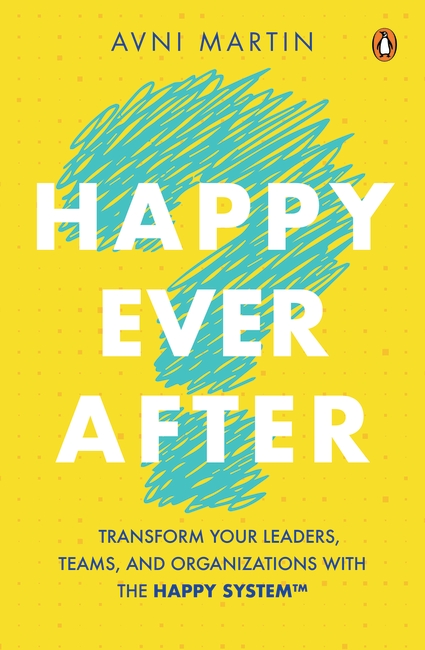
What if leadership wasn’t about doing more, but about becoming more present, conscious, and aligned with what truly matters?
In a world of relentless pace and pressure, this shift isn’t just desirable; it’s essential.
While strategy may guide a company forward, it’s self-awareness that transforms its culture from within. Happy Ever After offers a bold yet practical redefinition of leadership: an inside-out journey rooted in presence, purpose, and the courage to evolve.
At the heart of this transformation is the HAPPY™ System; a breakthrough coaching framework that blends neuroscience, ancient wisdom, integrative psychology, and real-world tools developed through decades of global coaching. Avni Martin guides leaders, teams, and organizations to grow with clarity, connection, and meaningful human impact.
Whether you’re a HR or business leader, coach or simply someone committed to personal and professional growth, you’ll discover how to:
• Develop conscious leadership by cultivating presence, emotional intelligence, and self-awareness.
• Transform reactivity into intentional action, building trust even under pressure.
• Create cultures of ownership, growth, and wellbeing where people feel seen, heard, and inspired.
• Coach with purpose and confidence, unlocking full potential in yourself and others.
This is more than a book. It’s a call to lead with purpose, to build workplaces where people don’t just perform—they flourish.
And to redefine success not by what you do, but by who you choose to become.

If you had an opportunity to become the best version of yourself, would you do everything it takes to become it?
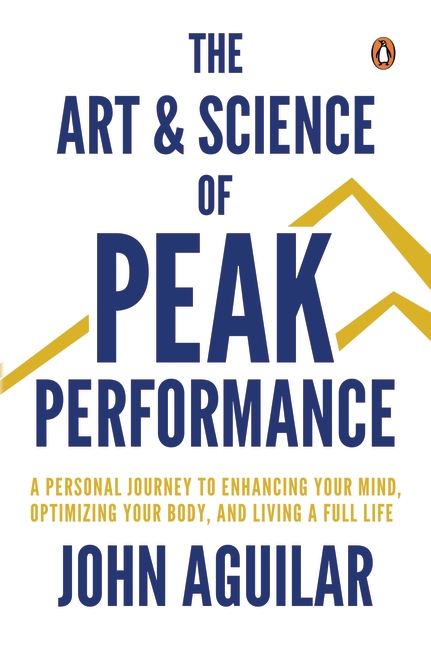
When entrepreneur TV producer John Aguilar first set out to film a documentary of his return to his sport two decades after retiring, little did he know that he would take a journey that would transform not only his body and get him in the best shape of his life, but also his mind to ask the questions that really matter.
Is it possible for older people to bring back the hands of time and exceed their performance from their younger years? How important is sleep and why is it the single most underrated aspect in wellness? How are people now in the best position to live way past 100? Is drinking red wine really good for you? These and a lot more questions were asked, and in this book, we explore the answers.
From Olympians to doctors and psychologists to Formula 1 performance coaches, John picks the minds of world experts at the bleeding edge of medicine, sports, and business to unravel what it truly means to achieve peak performance.
This book is a comprehensive playbook that will arm you on how you should think about and address sleep, nutrition and supplementation, movement and exercise, mental health and brain optimization, disease and injury prevention, and biohacking and longevity. This is a book that will guide anyone and everyone who wants to live their best lives, and look and feel good living it.

“If you know the enemy and know yourself, you need not fear the result of a hundred battles. If you know yourself but not the enemy, for every victory gained you will also suffer a defeat.”
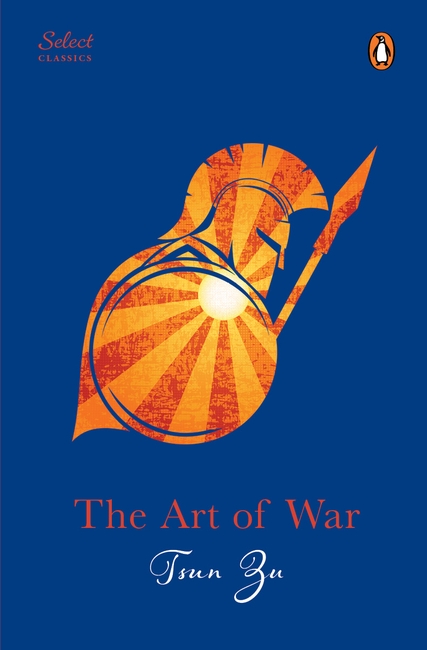
The Art of War by Sun Tzu is an ancient Chinese treatise on strategy, tactics, and warfare. Sun Tzu is a legendary figure in Chinese history, known for his brilliant strategical mind. He emphasized the need for adaptability, flexibility and the importance of understanding one’s strengths and weaknesses to be a successful leader and navigate life’s challenges.
Sun Tzu’s teachings encourage readers to think critically about their actions, and approach challenges with an analysis of both their and their adversaries’ strength and weaknesses. His teachings place great importance on active preparation for what one wants to achieve.
It is the ultimate guide for those seeking to improve their strategy, and leadership abilities, deal with conflict; reminding us that knowledge, adaptability, and sound planning are the keys to triumph in any task.

“If you know the enemy and know yourself, you need not fear the result of a hundred battles. If you know yourself but not the enemy, for every victory gained you will also suffer a defeat.”
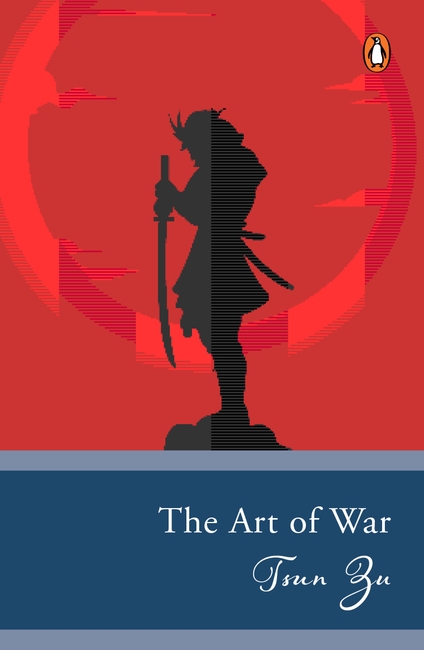
The Art of War by Sun Tzu is an ancient Chinese treatise on strategy, tactics, and warfare. Sun Tzu is a legendary figure in Chinese history, known for his brilliant strategical mind. He emphasized the need for adaptability, flexibility and the importance of understanding one’s strengths and weaknesses to be a successful leader and navigate life’s challenges.
Sun Tzu’s teachings encourage readers to think critically about their actions, and approach challenges with an analysis of both their and their adversaries’ strength and weaknesses. His teachings place great importance on active preparation for what one wants to achieve.
It is the ultimate guide for those seeking to improve their strategy, and leadership abilities, deal with conflict; reminding us that knowledge, adaptability, and sound planning are the keys to triumph in any task.
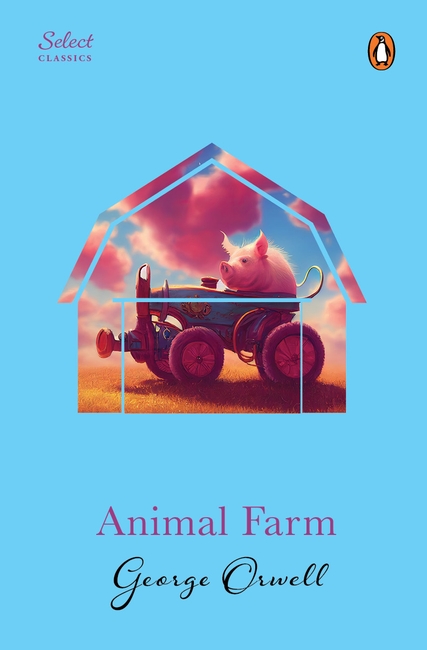
“All animals are equal, but some animals are more equal than others.”
In the satirical and politically rife land of the Manor Farm, all kinds of animals lived together and ran their civilization led by the visionary Old Major. Under Old Major the animals lead a revolt against their oppressive human owner Mr. Jones. Their dream is to establish a perfect society, which would be free from tyranny, where all animals (beings) will be equal.
The highly engaging, witty and endearing story aims to highlight the dangers of authoritarianism, and governments which pit citizens against each other. Through the compelling conversations between the animal residents of Manor Farm, the story highlights how language is used to manipulate and run propaganda to control the masses and rewrite history.
Animal Farm is a timeless and thought-provoking work, reminding readers the importance of thinking independently in order to safeguard democracy and individual liberties.
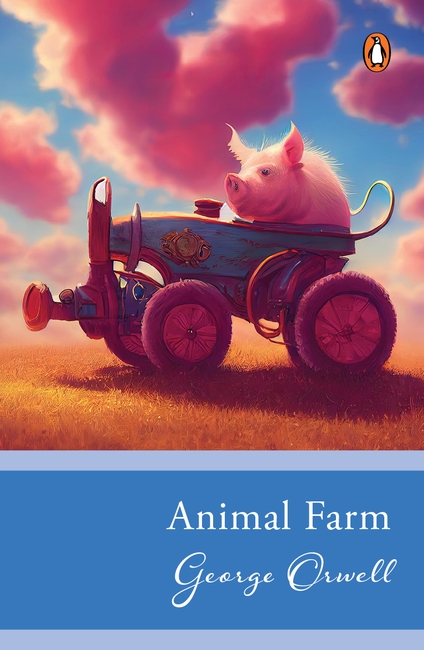
“All animals are equal, but some animals are more equal than others.”
In the satirical and politically rife land of the Manor Farm, all kinds of animals lived together and ran their civilization led by the visionary Old Major. Under Old Major the animals lead a revolt against their oppressive human owner Mr. Jones. Their dream is to establish a perfect society, which would be free from tyranny, where all animals (beings) will be equal.
The highly engaging, witty and endearing story aims to highlight the dangers of authoritarianism, and governments which pit citizens against each other. Through the compelling conversations between the animal residents of Manor Farm, the story highlights how language is used to manipulate and run propaganda to control the masses and rewrite history.
Animal Farm is a timeless and thought-provoking work, reminding readers the importance of thinking independently in order to safeguard democracy and individual liberties.
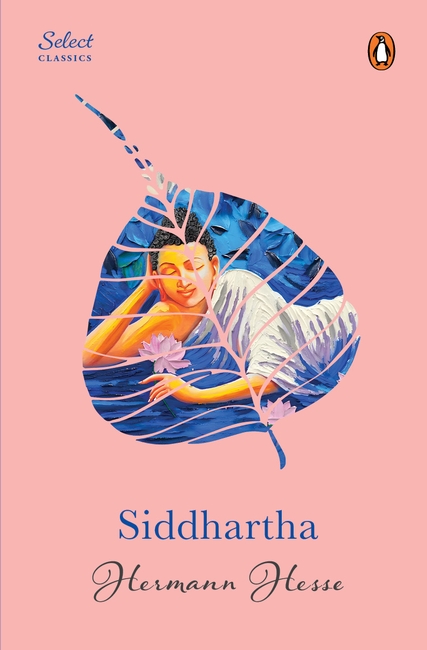
“Words do not express thoughts very well. They always become a little different immediately after they are expressed, a little distorted, a little foolish.”
Set in ancient India, a young and curious Siddhartha moves to the wilderness on a quest to understand the meaning and purpose of our existence in this world.
Siddhartha, as a young Brahmin had become discontented with the superficiality of life, where the chase was for more personal gain and wealth, never for a lasting impact of one’s actions.
As a wandering ascetic, Siddhartha’s search for fulfilment leads to the realization that enlightenment is a deeply personal journey, and that traditional teachings and societal norms may not necessarily lead to true wisdom and contentment.
Siddhartha is a timeless and meditative narrative that urges one to take a journey of self-realization, to find their individualistic path to inner happiness.
- A profound journey of self-discovery and enlightenment.
- Explores the search for meaning beyond material pursuits.
- Challenges traditional teachings in the quest for wisdom.
- A timeless meditation on personal fulfillment and contentment.
- Inspires readers to forge their own path to inner peace.
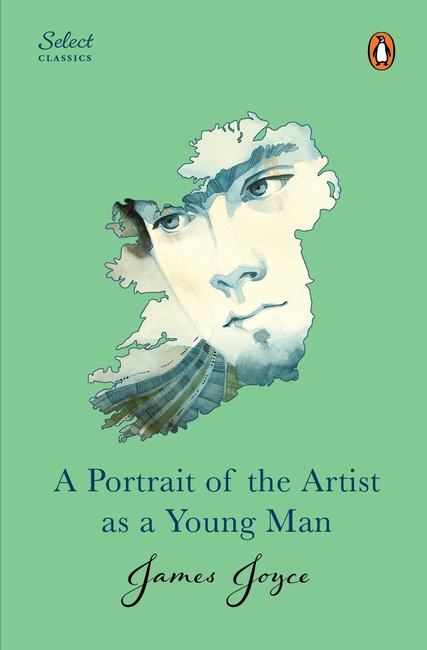
“I will not serve that in which I no longer believe, whether it calls itself my home, my fatherland, or my church: and I will try to express myself in some mode of life or art as freely as I can and as wholly as I can.”
In the 19th century, Stephen Dedalus, a young boy growing up in Dublin, Ireland, shows the grit, self-reflection and courage it takes to absorb life and turn it into art.
Stephen is a sensitive and intelligent boy, yet rebellious and independent. He struggles to break free from the constraints of his family expectations, the dominance of his religious teachings and the politics of his country. In his quest to seek reason behind his actions, he learns to break away from the norm and express his own unique perspective of the world.
Writing poetry and prose become his means of expression, as he highlights the tensions between individuality and conformity.
A Portrait of the Artist as a Young Man is a timeless and introspective work inviting readers to experience catharsis and self-realization through beautiful poems, prose and motivating conversations.
“Beauty was not everything. Beauty had this penalty — it came too readily, came too completely. It stilled life — froze it.”
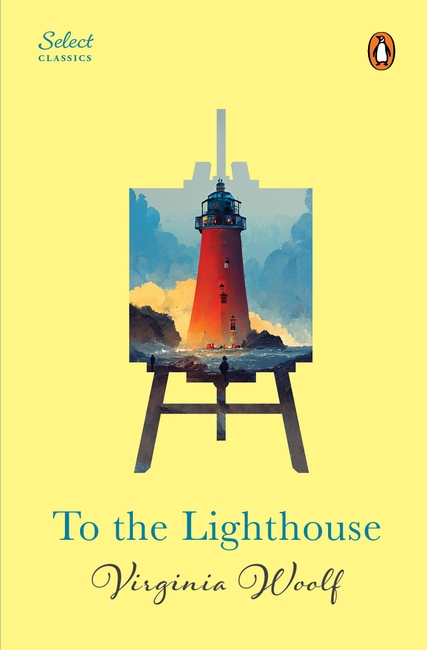
It’s the story of a family, like every family, and the many dents and complex love that make up relationships. Follow the Ramsay family over a period of three decades, in three parts ‘The Window,’ ‘Time Passes,’ and ‘The Lighthouse.’
The first part of the novel, ‘The Window,’ introduces the middle-class Ramsay family with eight children. The second, ‘Time Passes,’ takes place ten years later. The Ramsay’s have moved away from the house on the Isle of Skye, and Mrs. Ramsay has died. The house is now empty and neglected. The third part, ‘The Lighthouse,’ takes place ten years later, as the family finally return to the lighthouse, which has been a symbol of desire and longing for many years.
Woolf ’s thoughtful, reflective and sensitive writing allows the readers to delve deep into the inner thoughts and emotions of the characters.
Like a conversation the reader is having in solitude with themselves, every emotion feels lived and relatable, highlighting the enduring power of memory to capture the essence of our lives.