




Lucky Lee has everything—wealth, charm, money, good looks—and does very, very little with it. He’s content. He’s happy. He takes for granted that life is good and always will be. But then his sister, the go-getting, successful, famous TV chef Pearl Lee, dies, horribly, and suddenly. Lucky is devastated. As he struggles to live without the big sister who’s always been the dominant, often relentless force in his life, the inconceivable happens—her cat begins to talk to him. It wants to know where Pearl is. It questions his eating habits, his outfit choices, his life. It hogs the TV. It tells him stories. Now grief-stricken Lucky has a major problem: he may very well be mad.
Archives: Books
HORROR, HE WROTE
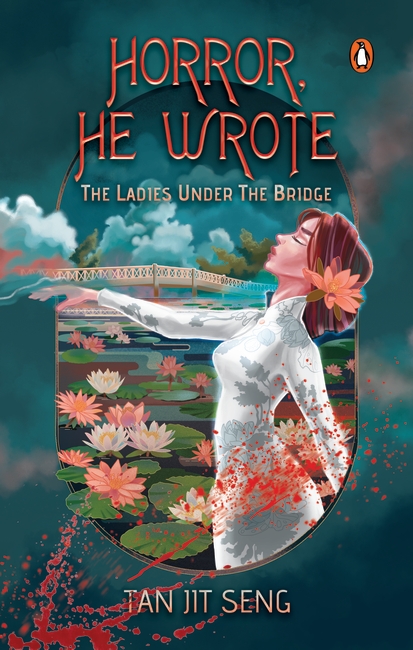
Chang Hong Lian, dubbed Red Lotus, is found dead in the lake at the Taiping Botanical Garden. Murdered with a borrowed knife, the plot is coincidentally similar to Adrian Holmes’ bestseller—a crime thriller ghostwritten by Hong Lian’s twin and Adrian’s mistress, Chang Pai Lian (aka White Lotus). The body of Red Lotus, who was with child, was found with the rare South Sea pearl necklace that belongs to Adrian’s wife, Marguerite Daisy Holmes.
Ernest Maxwell Graves, a writer of sorts, comes from a literary lineage. With his latest novel adding to the list of his failures, all he can do is end his life to end the shame. But fate has other plans for him. Saved by a ghost, Graves is promised success. He just doesn’t know yet the price he’ll be paying for it.
White Lotus, who was madly in love with Adrian, committed suicide under the bridge at the Taiping Botanical Garden where her sister’s body was found. She is back, still head over heels in love, and has a story to tell . . .
A murder mystery meets horror fantasy, this compelling tale of love and redemption will send a chill down your spine with every twist and turn.
Harmony Heights
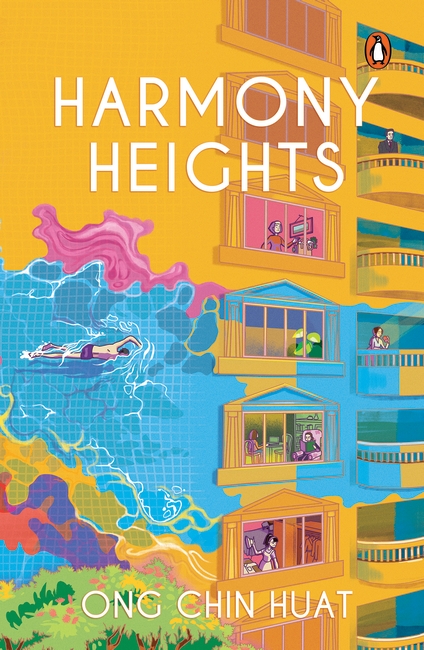
Harmony Heights is anything but harmonious. In this nineties-style block of condominium located in a forgotten part of town resides a microcosm of bourgeois Malaysian society. From retired judges and doctors to CEOs and homemakers with side hustles, the residents in this apartment pride themselves on being model citizens.
But beneath the veneer of civility and respectability, lies a hotbed of secrets and skeletons that reveal the true nature of these residents. How will they respond to the trials and tribulations which life throws at them? Will they all manage to keep up appearances when their private affairs and exploits are exposed?
Harmony Heights is a peephole, allowing you to look in, to watch the unfolding lives of cheating husbands, ambitious women, unconventional families, and witness explosive (literally) situations. If you look close enough, you might just see someone you know. Are you ready to keep a secret?
How to Hunger
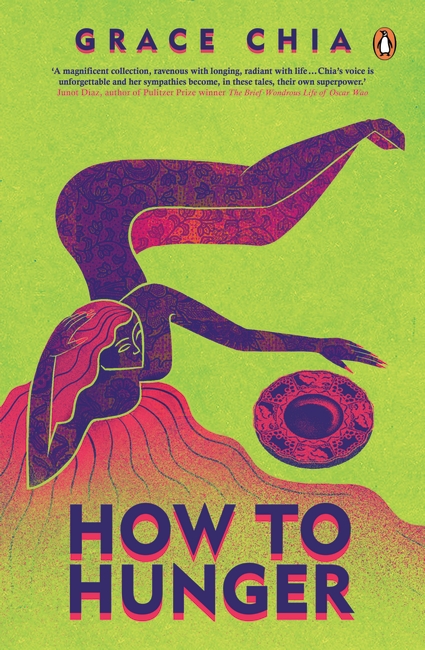
In the terrain of untidy relationships lies an ensemble of individuals coupled or alone, each driven by desire, cravings or folly. How To Hunger is a smorgasbord of short stories about how humans hunger—for love, lust and loyalty—where their voracity for the ordinary and sublime consumes them to the very end.
A Singapore emigrant chews over her sense of belonging. A vegetarian Western tourist finds a meatier version of Asia in a massage parlour. A young couple deepens their romance through home-cooked cuisine. A friendship between a Taiwanese and Singaporean ages over a decade like fine wine. An office worker’s submerged desires bubbles over in a hotpot restaurant. A married woman is tempted
by the sweet gifts of a suitor. An undertaker gets a taste of a spicy side of life. And a widower gets triggered by the scent of a curry puff.
Rethink the Couch
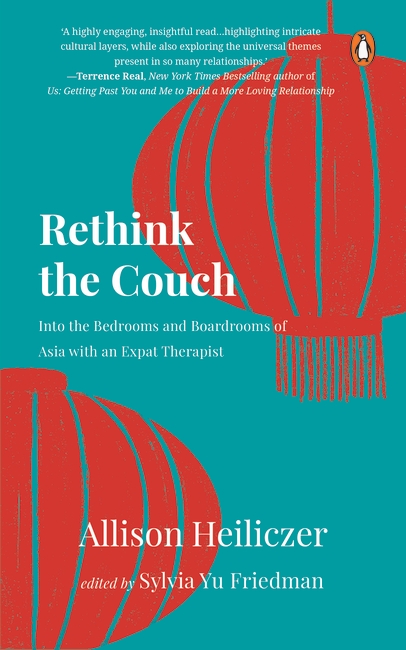
In more than a decade as a psychotherapist to some of Asia’s most powerful couples and businesspeople, expat New Yorker Allison Heiliczer has seen it all.
In Rethink The Couch: Into the Bedrooms and Boardrooms of Asia with an Expat Therapist, Heiliczer brings readers into her therapy room and engagements with such clients: the Singaporean maneater with a portfolio comparing the endowments-physical and financial-of her expat lovers; the wealthy Chinese litigator in thrall to a feng shui master; the entrepreneur trying to treat his own ADHD; the Indonesian-Chinese businessman who faced a reckoning when his multiple unzipperings were exposed, and many others.
But, this is no exposé. Part East-meets-West expat journey, part self-help deliberation, this collection of personal narratives explores the influence cultural backgrounds have on work and relationships and sheds light on stigmas that still surround divorce, therapy, mental health, and more today in Asia. Asia may lag the West in this regard – for now – but there is a quiet revolution afoot and Heiliczer is at the vanguard.
From toxic offices and complex relationships, boardroom power and bedroom failure, doomed marriages and ill-advised affairs, workaholism, loneliness, lies; these are struggles more common than many of us care to admit. Heiliczer lays them all bare through the prism of culture and is expert in understanding what makes those embroiled in them tick.
Empire of Gods and Beasts
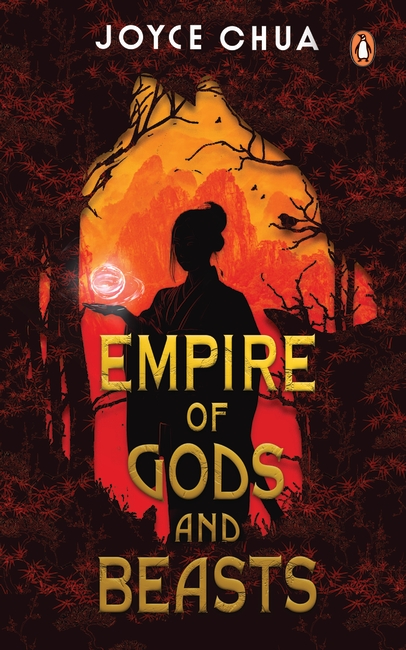
Four Elementals in the running. One final battle awaits.
Beware the monster in the mountains.
The bloody battle between Lettoria and Oasis Kingdom saw the destruction of the Wall that has kept magic out of the Oasis Kingdom for centuries. Now, the kingdom dissolves into chaos with Emperor Han at the helm and rampant magic spilling across the land.
As Desert Rose and Windshadow return to the kingdom in search of the last Elemental, rumours of a rebel prince arrive from the west, heralding a revolution.
Meanwhile, an ancient power stirs within the deep dark heart of Yeli Mountain, awakened by the magic flooding the kingdom.
As the Elementals draw closer to the final race at the Immortal Spring, the last gateway to the realm of gods and beasts, they can only rely on the powers they inherited from the gods to stay alive in the destruction and rebirth of the new world.
Humans and Other Animals
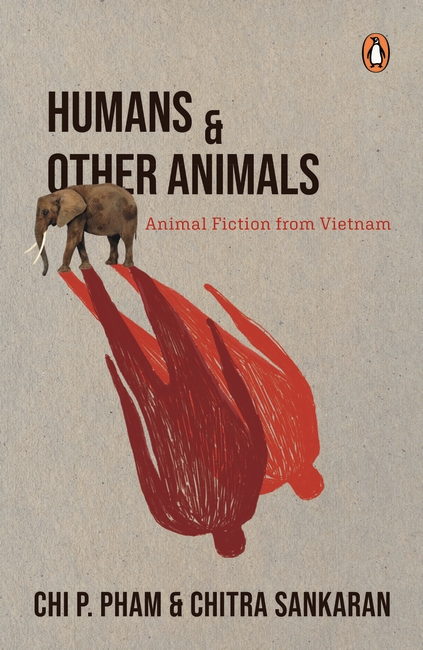
This volume consists of a critical introduction and translations of nine short stories on animals by prominent Vietnamese writers from the French colonial period (1885-1945) to the present-day. These stories have been in active circulation and have been highly regarded in literary circles in Vietnam since 1986, the ‘Year of the Reform’, when Vietnamese literary works were politically and culturally ‘liberated’ and engaged with greater commitment to criticizing, among other things, mainstream ideologies. Specifically, since the inception of ecocritical awareness in Vietnam from the start of the 21st Century, there has been an intellectual movement that has explored and recovered Vietnamese environmental, animal and climate crisis stories since medieval times. These are valued as voices that challenge and counter mainstream socialist ideology that overlooks the survival and lives of marginalized beings, including ethnic minorities and non-human nature. The authors have carefully selected the best animal stories that have been identified as the most influential in Vietnamese literature, which are deserving of global recognition. They have been chosen from various short story collections and literary textbooks—prescribed in schools and colleges—in Vietnam. The critical introduction begins by sketching the field of Animal Studies drawing upon various contemporary theoretical perspectives. It then goes on to examine the historical origins and formulations of animal stories in Vietnam. This section carefully traces the symbolic significance of animals in Vietnamese cultural imaginary. The ensuing section discusses the impact of ecocriticism and contemporary status of Animal Studies in Vietnam. The final section provides critical insights on the stories in the collection.
Step by Step

Step by Step is the compelling and insightful biography of Pemba Gelje Sherpa, one of his generation’s most accomplished Nepalese mountaineers. Having climbed twenty-one peaks over 8,000 metres, including eight ascents of Everest, Pemba reveals his remarkable journey from a humble village boy to a world-renowned guide and environmentalist. Through candid conversations along the trek to Everest Base Camp, the biographer captures the essence of Pemba’s character, values, and vision. Pemba belongs to the new breed of Sherpas who are passionate about preserving the Himalayas, empowering their communities, and carving their own path in life.
Why We Feel Blue When the Air is Grey
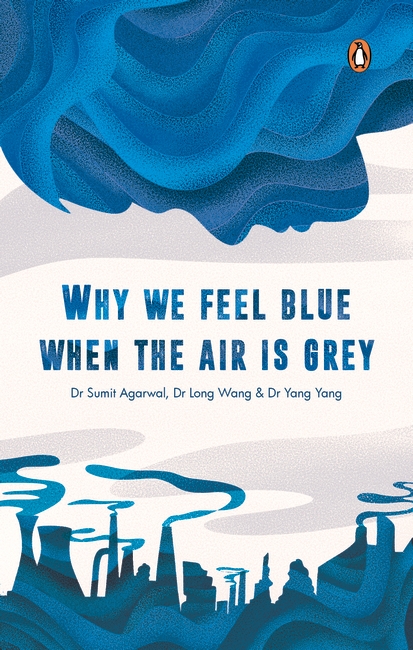
Unveil the obscured world of air pollution as you embark on a compelling journey with Ian. In this gripping book, each chapter uncovers a new layer of the crisis, leaving readers enlightened and impassioned.
From the very first chapter, the stark reality of polluted cities takes hold. Join Ian as he delves into the causes and solutions of air pollution in urban areas. Mobile and stationary sources, agricultural areas, and the menacing forces of wildfires and sandstorms converge, forming a suffocating cloud. As the curtain lifts on these sources of pollution, it becomes glaringly clear that the impacts on daily life have long been overlooked.
Venture further into the pages of this captivating narrative to unearth the profound repercussions of polluted air. Witness the connection between air pollution and disease, as empirical evidence reveals decreased life expectancy and increased hospitalizations. Discover how pollution engulfs workplaces, stifling productivity across sectors from agriculture to manufacturing and the service industry. The altered consumption patterns and diminished satisfaction of individuals trapped indoors during hazy days become vividly apparent. Through masterful storytelling, the author illuminates hidden threads linking air pollution to diverse facets of society. From the enthralling dynamics of the real estate market under smoggy skies to the clandestine practices of nighttime emissions, each chapter paints a vivid portrait of a world grappling with the consequences of pollution. Engage with this thought-provoking exploration, urging readers to confront the urgent need for change in the face of a crisis that permeates every aspect of life.
Embark on this essential journey and empower yourself to champion change. Ian as he navigates the fog of pollution, unmasking its perils and inspiring a collective determination to build a brighter future.
Death and the Maiden
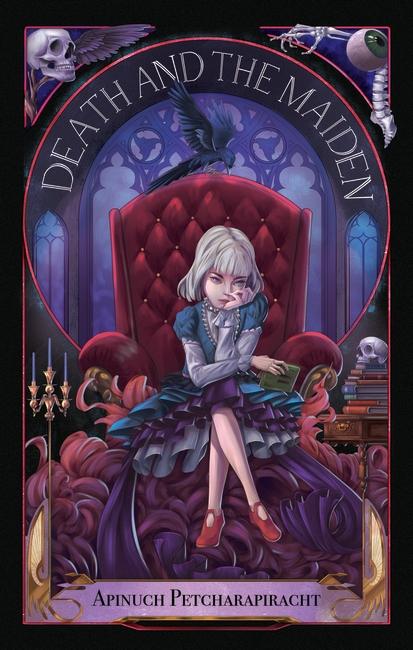
Who wouldn’t cry when they realize that they are dead?
The capital beyond twilight is full of nocturnal birds squealing annoyingly on electricity poles. Who would have known that they were messengers of death who perform music to send souls to the underworld?
Stella is a ghost boy in a skirt who lives in an abandoned tower in the middle of the capital. He calls himself the Eleventh Floor Theater Administrator. Every evening he wakes up to repeat the same routine, caring for lost children, watching a spectacular parade of the Defeated Gamblers. The boy wonders why the Reaper whom he lived with had not yet sent his soul away.
What secrets are the Reaper keeping from him? And what is he being protected from?