‘You will keep hearing the insistent racket of these stories long after you set this fine collection down.’
-Professor Darryl Whetter, author of the cli-fi novel Our Sands
This collection of short stories exposes the minuscule rebels trapped inside many of us – the obedient, law-abiding tenants – living in Singapore who are trying to break out of conforming to the country’s conservative social norms, risking stigma and gossip. On one extreme, a minority of us have the courage to let the recalcitrant rebels take charge from the beginning in order to live as we wish. Others may require some external nudging to act, yet some may ultimately still retreat to the status quo, to a prescribed acceptable social behaviour, instead of risking any fracas.

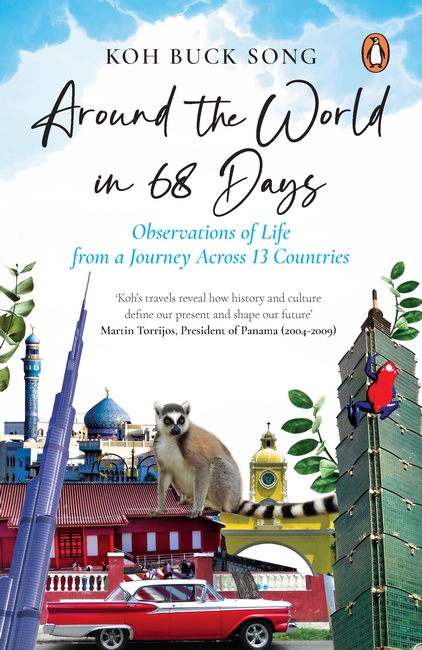
Around The World In 68 Days is a travelogue with a big difference – not about how to get there, what to see or where to dine, but instead, seeking to glean insights into the meaning of life and the true nature of human societies, using the lens of the brand attributes of each territory to look more clearly into the kaleidoscope of humanity. In a time of a global pandemic, this is also a type of memoir, a tribute to travel, of a pre-Covid-19 world. This is like a 68-day extravaganza of ichigo ichie, the Japanese concept of cherishing every worthwhile
moment.
Singaporean writer Koh Buck Song – author and editor of more than 30 books – distils the quintessential brand essence of very different cultures in 13 countries across four continents. He draws from his experience and perspectives as a country brand adviser, advocate of liveable and sustainable cities, and commentator on society and public policy. Koh, also a poet and artist, opens each chapter with his own haiga artwork of a haiku poem with an ink sketch. These artworks complement this book’s effort to capture and interpret shared humanity across the globe – what makes each of us unique, what we share, and how, in the end, perhaps we’re all really chasing ultimately similar dreams.

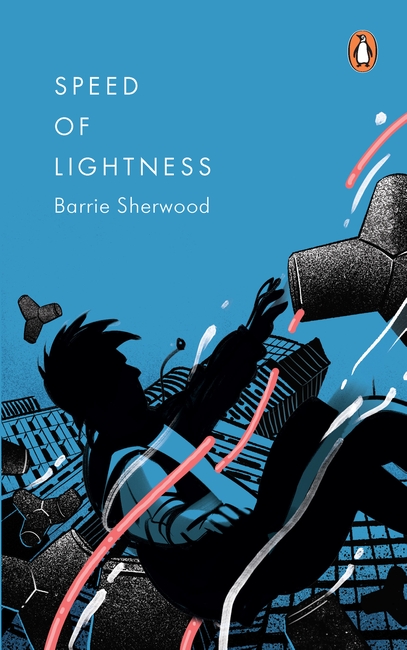
Kyoto University student Aozora Fujiwara has been playing too much mah-jong and now he’s deep in debt. When Aunt Okane (‘money’) dies and leaves a collection of priceless art to him and his sister, Mai, he thinks his problems are solved. But they’re only just beginning: Mai’s disappeared and he can’t liquidate the estate without her. The quest that ensues takes Aozora to the deep south of Japan and the unlikely setting of a
Dutch theme park called, Amsterland…
The joy in Sherwood’s tale is in Aozora’s madcap journey, during which he meets a slew of silly-and often sinister-souls. Among them: an oyster-loving businessman who sells lifelike inflatable dolls, and a corpulent crime boss who looks like a cross between Liberace and Kim Jong-Il. In his carefully woven descriptions, Sherwood shows unusual insight into a fastchanging society of disaffected youth and sleazy governance. This picaresque on steroids offers a refreshingly irreverent look at contemporary life in a not entirely implausible Japan.

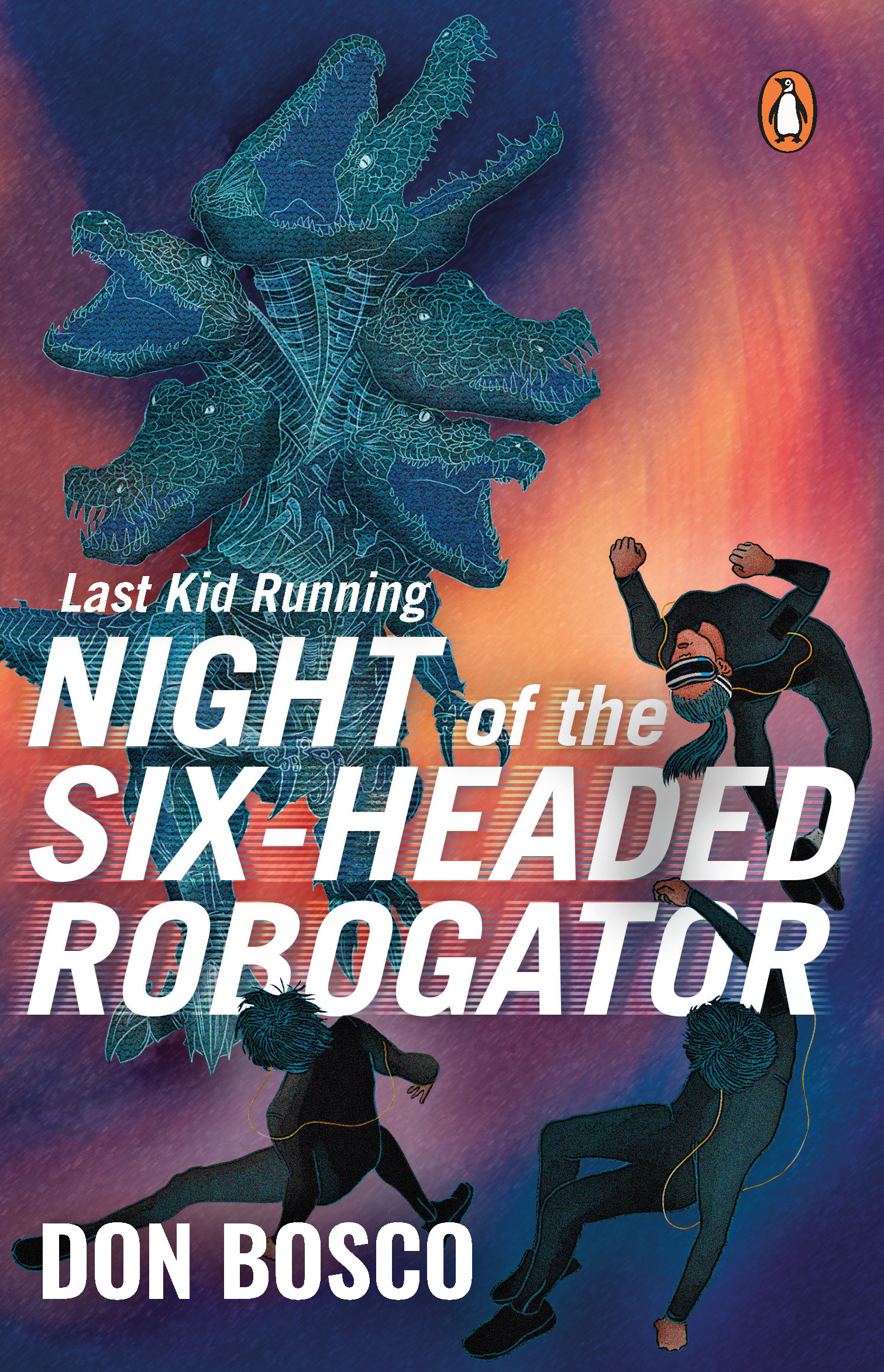
Welcome to Book 2 of the thrilling LAST KID RUNNING gamebook series, where YOU decide how the story unfolds. You are Runner X, one of six eager contestants on the biggest reality show streaming on the mobile web.
This time, you’re taken to a secret venue in Indonesia. The enigmatic Dr Yamato has created a massive Run Dome filled with crazy technological inventions to challenge you and amuse his viewers.
You’re prepared to face anything, even the intimidating Six Headed Robogator. But the night gets creepy. And you can’t help feeling that the Run Dome hides a nasty surprise in its shadows.
Will you be too overwhelmed to outrun the others? Or do you have what it takes to be the LAST KID RUNNING? Quick, open the book and find out!

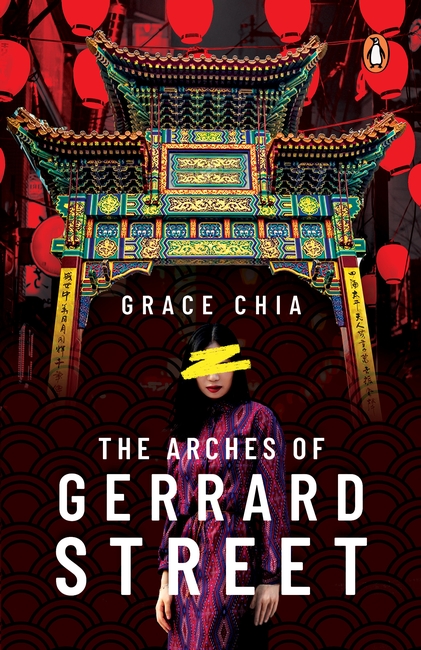
The shooting of Molly’s childhood friend in London’s Chinatown has led her from Batu Pahat in Malaysia to the British capital to find answers. Who murdered him? And why? She soon becomes embroiled in a web of deceit spun in an immigrant enclave shrouded in secrecy as her past catches up on her. The Arches of Gerrard Street is a coming-of-age novel about a young girl from a small town thrust into a big city finding her way back to herself.

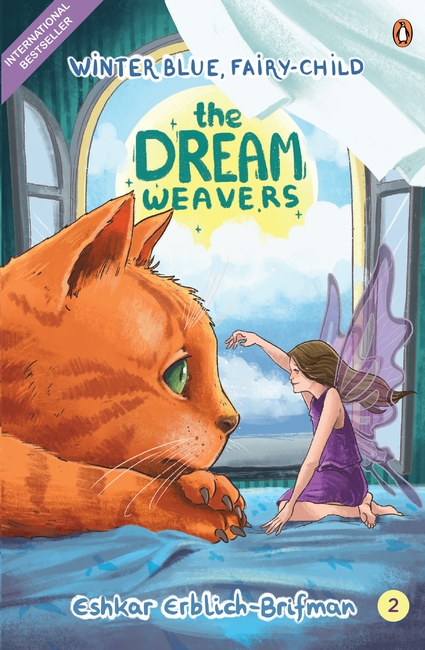
Winter Blue is a fairy-child who leads parallel lives in two worlds-the world of humans, and another, secret, wondrous world-Magic-Land.
Winter and her fairy-children friends embark on a series of thrilling and dangerous adventures. They study with Ismergada how to start using the magic-dust they had received last summer. They meet Bogus, a magical and mysterious creature long-forgotten in the world of humans. And they discover, during their time in Magic-Land, that the dream-weavers have vanished! This threatens to undermine the delicate balance between the worlds. Winter and her friends embark on a mission to investigate this mystery and to help the anxious dwellers of Magic-Land restore order.
This is the second book in the beloved Winter Blue, Fairy-Child series. It has become an essential part of Israeli literature for children and young adults.

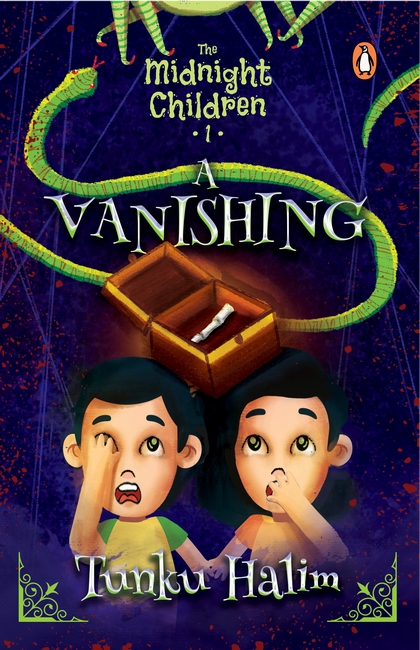
The Midnight Children trilogy is a series of dark fantasy novels for children age 8-13 combining Asian mythology and Gothic elements. The characters, ten-year-old Min and twelve-year-old Zak are the main protagonists.
In The Midnight Children: A Vanishing, Zak and Min’s father mysteriously disappears at breakfast and curious things then begin to happen to them. Min encounters two small creatures with spider-like legs, a doll that runs, talks and steals and Shaz, the shaman, who gives her a box with a finger bone inside. Zak is chased by a strange man on all fours in the shopping mall, flees from snakes that interrupt his homework and is visited by a ghostly old lady in his bedroom who happens to love matcha ice cream.
Trying to find their father, they are transported to an eerie world called the Moonlight World where oily creatures want to kidnap and eat them. The novel concludes with Zak vanishing one night during dinner.
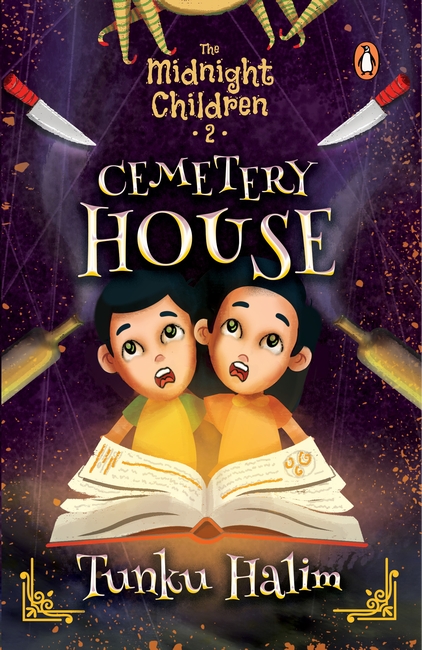
Min is forced to move into the old and haunted Cemetery House where a ghost-boy awaits her in the library. Zak is chased by terrible creatures that drip oil and he can’t get home. This is only the start of the many uncanny events that will happen to them, including having to dig a body out of a grave in the shadowy darkness and a close encounter with a vampire!
Be warned . . . this hair-raising book is not for the faint-hearted!
Don’t you dare scream!
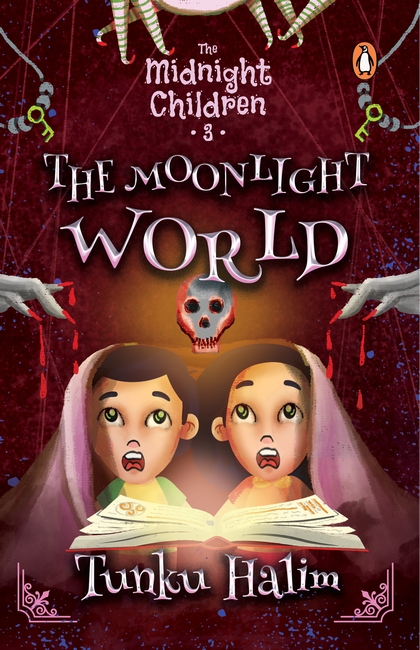
The Yak-Yaks are on the war path and their awful king wants to eat Min, his prisoner. Zak is desperately trying to rescue his sister but he has been tricked and is about to be flung down a rocky cliff by a ghastly spirit.
And who are the Rising and will they all be slaughtered in one last battle in the desert?
Is this how it will all end? Will their father ever be rescued?
Be warned . . . great excitement awaits you in this final book of the Midnight Children trilogy.
Don’t you dare scream!

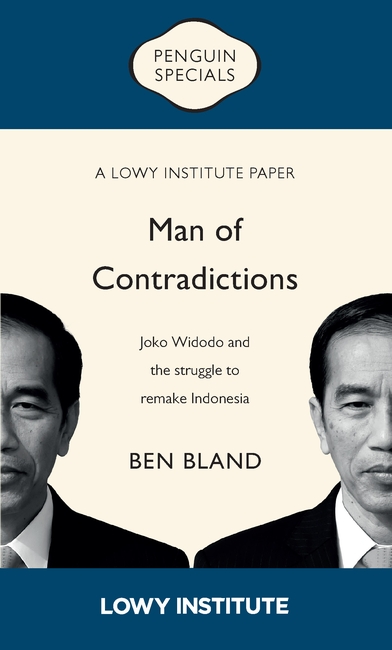
Although he has dominated Indonesian politics for years, President Joko Widodo remains an enigmatic figure.
He has consistently defied both his sternest critics and his strongest supporters. A brilliant instinctive politician, Jokowi was resoundingly re-elected in 2019. However, he has struggled to turn success at the ballot box into the transformational change that Indonesia desperately needs.
Jokowi has vowed to turn Indonesia into an Asian powerhouse with a strong economy and the heft to defend its international interests at a time of renewed US-China rivalry. But progress has been slow, and the scale of the challenge is increasing, at home and abroad. As he gets to work in his second and final term, will Jokowi deliver on his grand ambitions? Or will Indonesia once more fall short of expectations?
Man of Contradictions, the first English-language political biography of Jokowi, will examine how he became so popular, what makes him tick, and why he will struggle to remake Indonesia. The key to understanding Jokowi lies not in uncovering some core inner convictions but in embracing his contradictions. He rose from obscurity thanks to Indonesia’s free and fair elections, but he has been a poor guardian of democracy. As an outsider he promised to shake up the corrupt and nepotistic elite, but he has become a consummate transactional politician. As a former factory owner, he pledged to open up the economy to foreign investors, but he has pursued a campaign of nationalisation and prioritised state-owned companies.
Ultimately, the conflicts within Jokowi reflect the profound tensions in a young democracy that is still trying to escape a legacy of colonial oppression and domestic dictatorship, and make its own way in the world.