



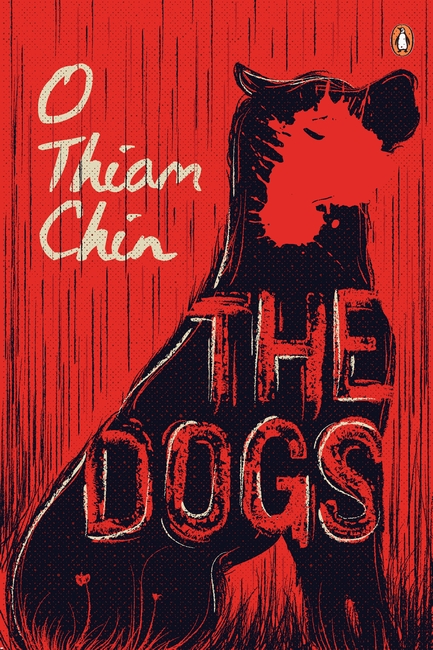
Tian, a middle-aged man, moves into an old flat that had once belonged to his late father, to live out the rest of his life. As he goes about his days, he starts to reminisce about his childhood in a kampong in Singapore in the 1950s, and his friendship with Heng Chong, a schoolmate.
Growing up, making their own fun and mischief, the boys developed a close friendship that was tested by the sudden appearance of a stray dog in their kampong. As secrets abounded and lies crept into their lives, a spark of retaliation soon set off a chain of events that led inevitably to an unforeseen tragedy that threw a long dark shadow over Tian’s life.
As he looks back to find the answers to the mystery that surrounded this tragedy, Tian gains a deeper understanding of his own past and the true nature of loss, regret, and redemption, and discovers new hope and a new life imbued with resilience, fortitude, and purpose.
Archives: Books
How to Ride a Train to Ulaanbaatar and Other Essays
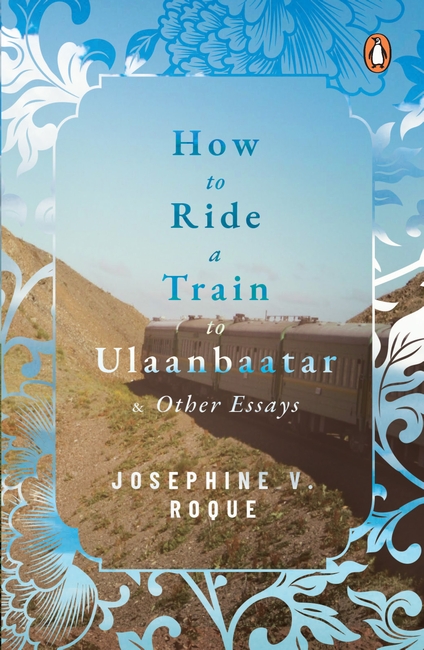
How to Ride a Train to Ulaanbaatar and Other Essays is a coming-of-age story of a woman who leaves home to work in Shanghai following the death of her mother. In a collection of ten travel essays, she writes about living in another culture to learn another language and the experiences that shaped her view on what it means to be her own person, a daughter, a friend, a lover and a citizen of the world.
The Blood Prince of Langkasuka
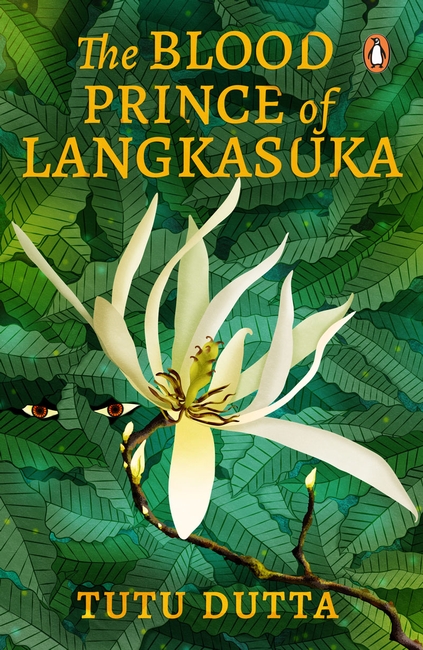
‘Meet a prince racing against the clock to solve a string of palace murders in medieval Malaysia . . .’
– Bustle magazine
The Blood Prince of Langkasuka is a reimagining of an ancient Southeast Asian vampire legend; the coming-of-age story of Raja Bersiong or the Fanged King. The monster is not always who you expect it to be-seventeen-year-old Raja Perita Deria, a carefree, self-centred young prince who descends into despair, as he turns into an angst-ridden vampire, while confronted with a chilling series of murders in the palace of Langkasuka. Will he find the strength to save himself and his kingdom?
Described by Gerakbudaya Bookshop, Penang as ‘a strongly told tale, reworking one of the earliest surviving legends of Nusantara (maritime Southeast Asia)… what follows is thwarted love, plots and deaths, the presence of the supernatural in everyday life, and a seemingly unstoppable path to doom and destruction.’
The Blood Prince of Langkasuka was picked by K.W. Colyard as one of ‘The 35 Best Vampire Books to Read Now,’ in the April 2022 issue of Bustle Magazine.
It was also picked by Emily Hughes of Nightfire Newsletter as the February pick in ‘All The Horror Books We’re Excited About in 2021’ – A vampire novel set against the political landscape of 12th Century Southeast Asia, following a prince whose chance encounter with an irresistible woman leaves him craving blood.
The Rosales House
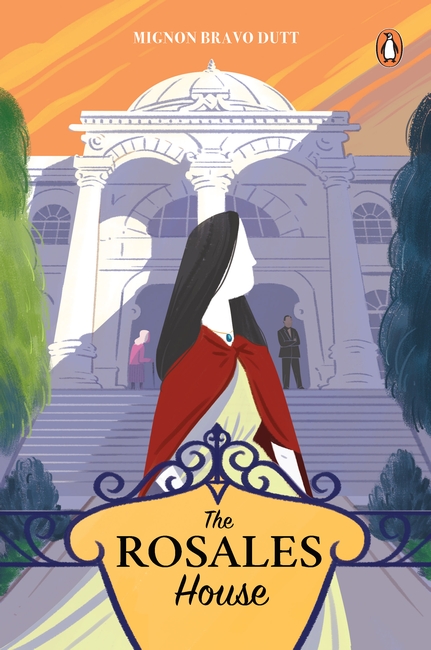
The Rosales House is a contemporary novel about Claire Rosales, a twenty-eight year old advertising executive in Singapore, who hails from a powerful political clan in the Philippines. Claire’s orderly life in Singapore is disrupted by the death of her influential grandmother Gloria Rosales. With Gloria’s demise, Claire loses her constant support and her strongest pillar especially after her broken wedding engagement. Moreover, the Rosales estate is now divided and the clan will have to rely more on Claire’s uncle, Ric, a congressman, for their public face. Claire knows only too well, though, that Ric is not the charismatic family man he pretends to be.
Who Killed The King of Bagan?
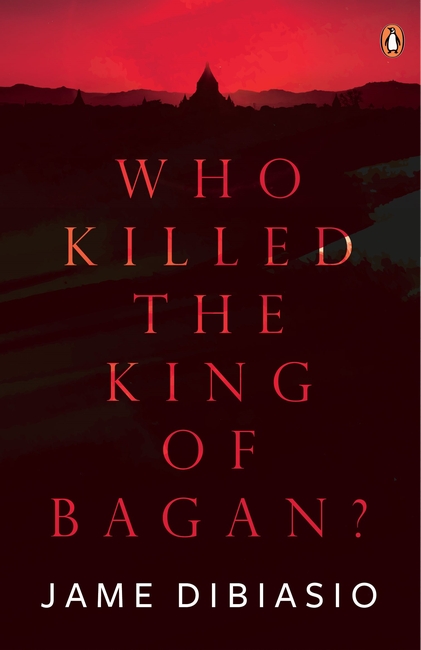
He created an empire. When his enemies ambushed him, they left no trace of his body.
The Chronicles sang of his glory and his merit. His capital, Bagan, left behind thousands of breathtaking Buddhist temples – a unique legacy, a gift to the world. Bagan has another aspect to its heritage: the story of a struggle for power and the forging of a nation that we know today as Myanmar or Burma.
Like a whodunnit, unravelling the suspects behind the assassination discloses a deeper story about this great civilization a thousand years ago. The people, their beliefs, their arts, their desires. Their achievements and their defeats.
The mystery of who killed the king of Bagan is a gateway to exploring the puzzle of how Bagan came to be. Why its people filled a parched land with pagodas. Why their story deserves to be told.
The Margins
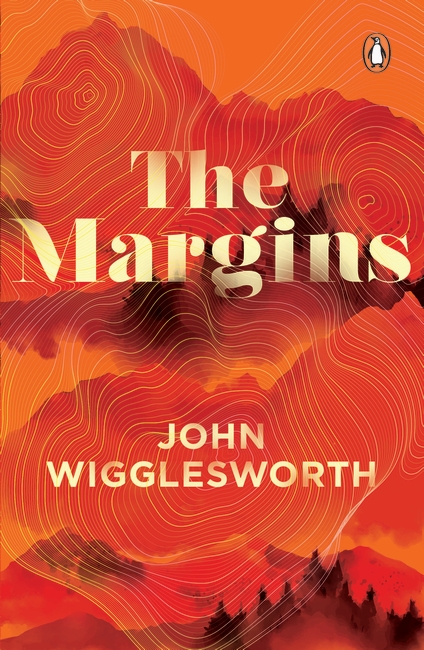
Only Ethan Hicks knows what happened up on the mountain, for everyone else is dead. Hundreds of them, hundreds of westerners, their bodies yet to be recovered from the devastated commune that sits high above the Kullu Valley.
It’s an unfolding tragedy that has caught the attention of the world’s media, and pressure is rapidly growing on the Indian authorities to provide answers. For them, of course, Ethan—found barely alive at the foot of the mountain—is the key to everything.
And the account he gives to investigators will prove extraordinary: of a remote commune that grew beyond recognition through a simple quirk of fate. Of a harmonious society that became driven by greed. Of a paradise befouled by its own inhabitants.
Yet, for all of Ethan’s candour, there were some events that took place on the mountain of which he cannot speak—dark, terrible secrets that he intends to take to his grave.
Virtual Center and Other Science Fiction Stories
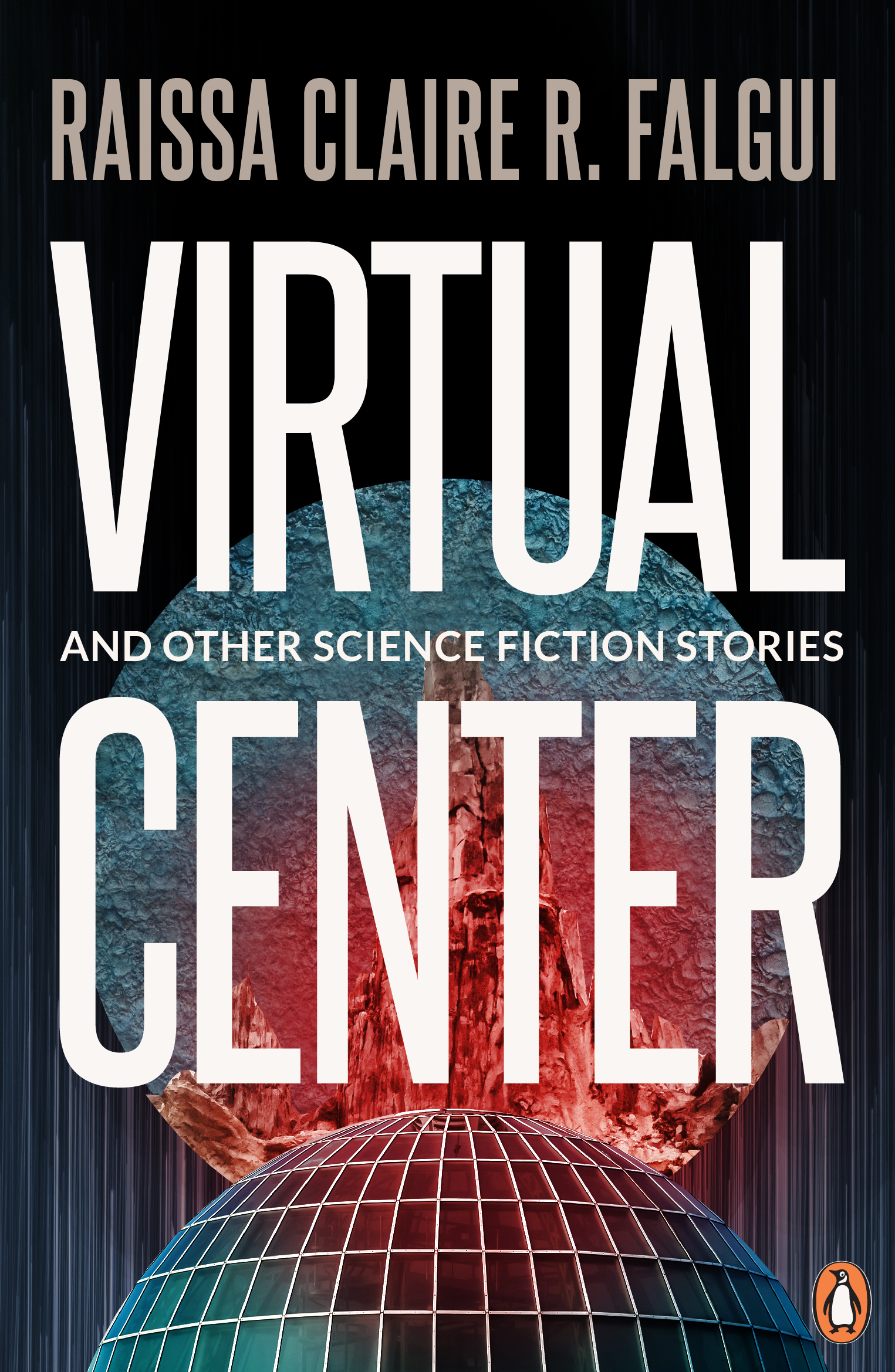
A collection of science fiction that borders on science possible, Virtual Center and Other stories brings to you some brilliant, adventurous possibilities of our tech-dominant lives.
Virtual Center is the first in this collection and is the 2002 Palanca Awards first-prize winner for Futuristic Fiction. It tells the story of rich people who have chosen to live the rest of their lives virtually while poor people care for them–until a young anarchist attempts to disrupt the system. Hatchling refers to the monster tiyanak of Philippine supernatural lore. The Creator Defends His Creation is the testimony of a man standing trial for fraud for building an android and getting him elected as president. By the Light of the Moon introduces an alien figure from Venus who revels in being hailed as the goddess Haliya, protector of the timid moon god. The Sincerest Form of Flattery is the story of a girl who maintains a lifelong resentment against her younger sister, a clone of her grandmother. The Beautiful and the Whole is a post-apocalyptic story in which a nation, in an attempt to rejuvenate its population after a devastating world war, has instituted restrictive laws regarding marriage and reproduction.
Riverrun, A Novel
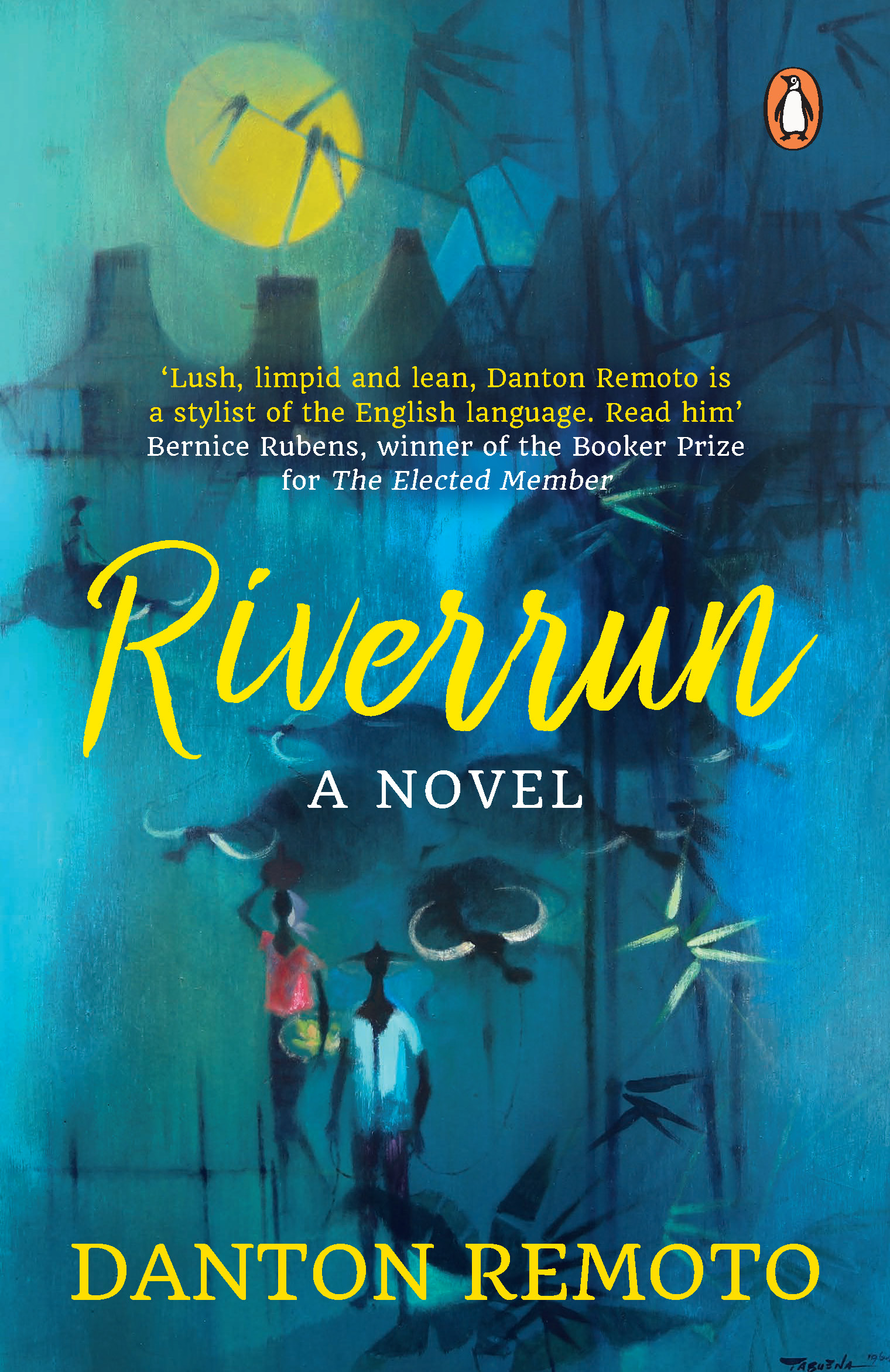
Riverrun is a rite-of-passage novel on the life of Danilo Cruz, a young gay man who
grows up in a colourful and chaotic military dictatorship in the Philippines. Shaped
like a memoir, it glides from childhood to young adulthood in chapters written like
flash fiction and vignettes, along with a recipe for shark meat, a feature article,
extracts from a poem and vivid songs. It can be classified as literary fiction, that is
nevertheless accessible to the general reader.
Don’t mess with my Professionalism
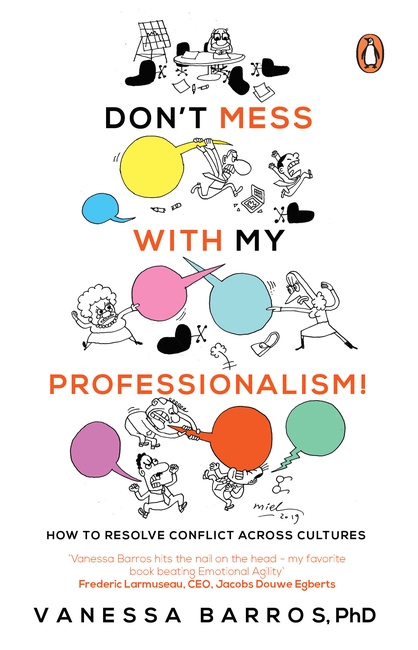
Questioning others’ professionalism is an immediate negative reaction that many international executives have when they are facing a behavior, which is culturally different from theirs and which they don’t understand in the workplace. ‘Professionalism’ becomes the alibi for ethnocentrism, which in turn, jeopardizes relationships at work and reduces chances of success in the evergrowing multicultural business world.
In this book, Vanessa Barros goes beyond individual views of ‘professionalism’ to provide effective strategies to resolve intercultural conflict.
Young Mongols
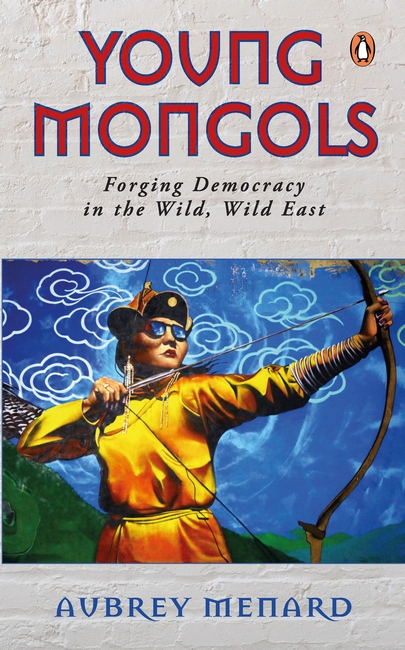
In 1990, Mongolia’s youth-led revolution threw off the Soviet yoke, ushering in multi¬party democracy. Thirty years later, the country’s youth are still leading Mongolia’s democratic development.
This powerful, inclusive book introduces readers to modern Mongolia through the stories of young leaders fighting to make their country a better, more democratic place. Its intersectional perspective explores the complexity of Mongolia today: the urban planning and pollution issues that plague the capital city of Ulaanbaatar; the struggles of women, the LGBTQIA+ population, people with disabilities, and ethnic minorities to claim their equitable places in society; the challenge of providing education in the world’s least densely populated country to prepare the workforce of tomorrow; and how to fairly divide the spoils of the country’s vast mineral resource wealth.
This rising generation of Mongolians is already wielding real power and shaping their country’s future. Their work will determine whether the country is able to overcome its development and democratization challenges, its relationship to the world, and who the winners (and losers) will be in Mongolian society.