




Get Smart! is the new mantra for students.
With a systematic, back-to-the-basics approach, the books in this series aim to help students tackle crucial
subjects in school with confidence and enjoyment. Accompanied by tables, illustrations and many exciting
exercises, the Get Smart! series gives helpful tips and sensible advice so that students can develop both creative
and analytical skills.
Archives: Books
Beast
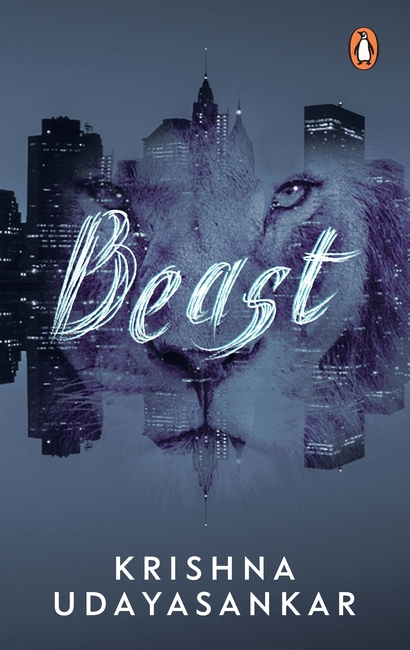
It was always the same dream, a dream that began with darkness and blood. When Assistant Commissioner of Police Aditi Kashyap is called upon to solve a gruesome triple homicide, she is dragged into the terrifying world of the Saimhas-werelions-who have lived alongside humans, hiding amongst them, since ancient times. Faced with the incredulous, Aditi has no choice but to join hands with Prithvi, an Enforcer called in to hunt down this seemingly otherworldly murderer. But can Prithvi overcome the nightmarish burdens of his dark and violent past to unravel the mystery hidden deep within this secret world of werelions? Can he be trusted to save lives, or will he choose to serve a different, more powerful, master? Read on, as Aditi and Prithvi race through the dark underbelly of Mumbai-from quiet suburbs to gritty brothels, from forgotten colonial tunnels to the lights and glamour of the inner city-in search of a dangerous truth, in search of a monster.
Confronting Inequality: How Societies can Choose Inclusive Growth
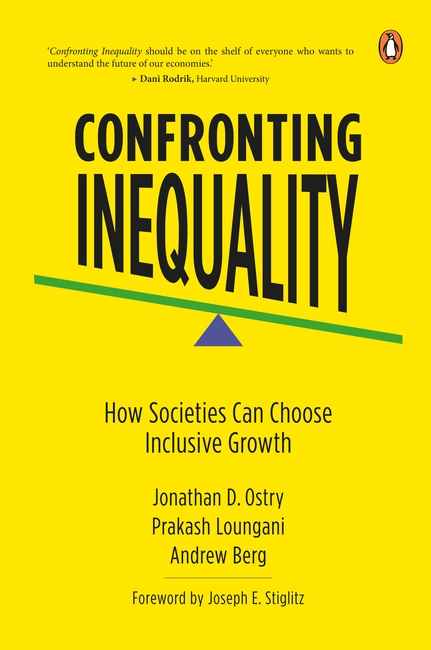
Inequality has drastically increased in many countries around the globe over the past three decades. The widening gap between the very rich and everyone else is often portrayed as an unexpected outcome or as the trade-off we must accept to achieve economic growth. The book shows that inequality leads to weaker economic performance and proposes alternative policies capable of delivering more inclusive growth.
Jonathan D. Ostry, Prakash Loungani, and Andrew Berg demonstrate that the extent of inequality depends on the policies governments choose-such as whether to let capital move unhindered across national boundaries, how much austerity to impose, and how much to deregulate markets. While these policies do often confer growth benefits, they have also been responsible for much of the increase in inequality. In addition to improving access to health care and quality education, they call for redistribution from the rich to the poor and present evidence showing that redistribution does not hurt growth. Accessible to scholars across disciplines as well as to students and policy makers, Confronting Inequality is a rigorous and empirically rich book that is crucial for a time when many fear a new Gilded Age.
Wonder Words
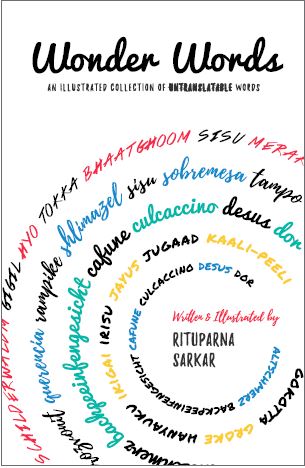
A fascinating collection of words from around the world.
People in different countries speak different languages-and sometimes these languages have words that are untranslatable into English. Did you know that Japanese has a word for pretending not to be at home when someone rings the doorbell? Or that there’s a German word for the weight that you put on because of emotional eating? Or even that there’s a Yiddish word for thinking of a witty comeback only when it’s too late? Wonder Words is a gorgeous, illuminating and often hilarious lexicon of unique words from all over the globe. It will open up your world, making you aware of emotions, cultures and practices from far and beyond.
Monkey No 4
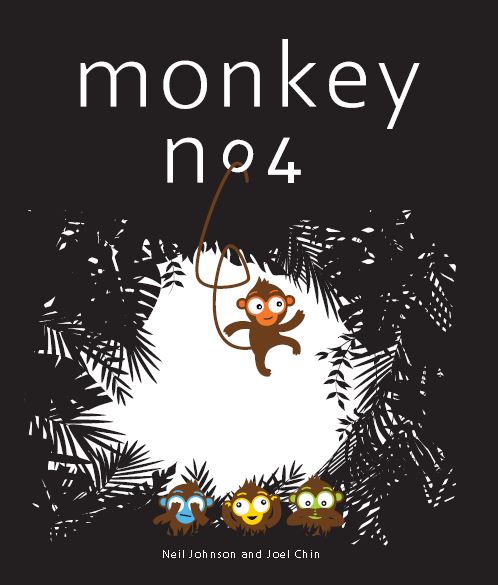
In Asian lore there are three famous monkeys. They’re the ‘see no evil’ monkey who covers his eyes, the ‘hear no evil’ monkey who covers his ears and the ‘speak no evil’ monkey who covers his mouth. These three monkeys are the ones we’ve all heard of, but they’re not the best monkey of all. The best monkey of all is the fourth monkey, because he’s the monkey who does no evil. ‘Monkey No. 4’ is his story of triumph in the jungle. And for all who read it, it’s a small lesson about good and evil in the jungle of life, and the wisdom to tell the difference between the two.
Best Foot Forward
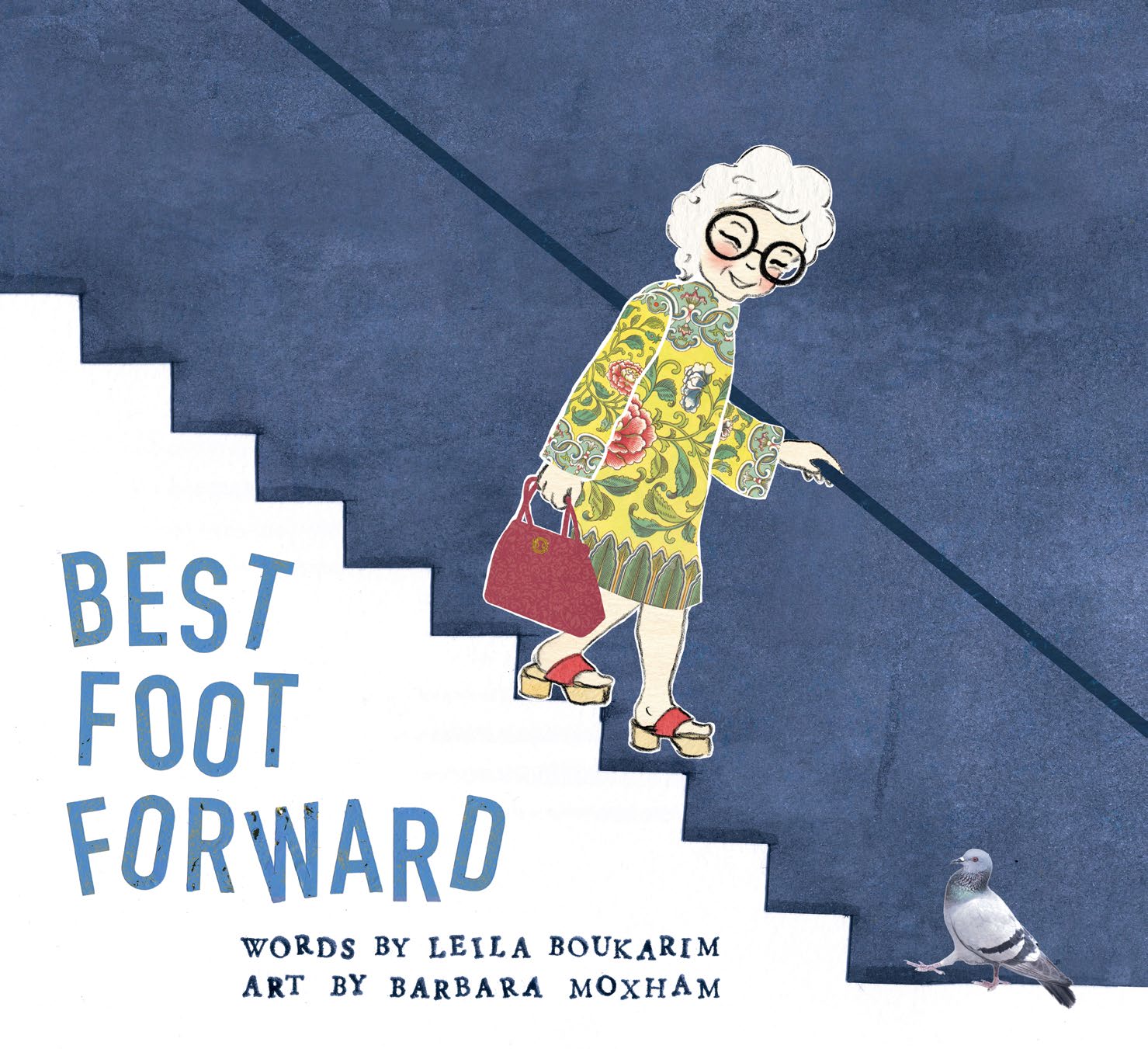
Take control over how your day turns out, regardless of wobbles!
Chirpy Mrs. Wong is determined to make every day as perfect as can be. But when her morning is off to a
wobbly start, Mrs. Wong struggles to stay positive and eventually loses her cool. It’s only when she catches a
glimpse of herself that she realizes it’s not too late to turn a bad day into a good one.
Pride and Prejudice
‘He is a gentleman; I am a gentleman’s daughter; so far we are equal. ‘
Set among the English countryside gentry at the turn of the nineteenth century, Pride and Prejudice is a story of love, marriage, manners, relations, the pride that is derived from possessing wealth and the prejudice of social classes. In a sparkling comedy of manners that begins with the arrival of two highly-eligible bachelors, Mr Bingley and Mr Darcy in the neighbourhood, Jane Austen shows the folly of judging people based on first impressions and superbly evokes the friendships, gossip and snobberies of provincial middle-class life. Pride and Prejudice is Jane Austen’s masterpiece-an entertaining portrait of the way people behave in society, and of matrimonial theatrics and rivalries-and is timeless in its hilarity and honesty.
Sense and Sensibility
Sense and Sensibility‘s two heroines-so utterly unlike each other-experience the most violent passions when they are turned down by the men they love. What differentiates them, and gives this extraordinary novel its complexity and brilliance, is the way each expresses her suffering: Marianne-young, impetuous, ardent-
falls into paroxysms of grief when she is rejected by the dashing John Willoughby; while her sister, Elinor-wiser, more sensible, more self-controlled-masks her despair
when she discovers that Edward Ferrars is to marry the mean-spirited and cunning Lucy Steele. All, of course, ends happily-but not until Elinor’s ‘sense’ and Marianne’s ‘sensibility’ come together to reveal the profundity of the emotional undercurrent beneath the surface of Austen’s immaculate art.
Little Women
Grown-up Meg, tomboyish Jo, timid Beth and precocious Amy-the four March sisters couldn’t be more different. With their father away at war and their mother working
to support the family, they have to rely on one another. Through sisterly squabbles, midnight plays, Christmas celebrations, happy times and sad, they discover that growing up is sometimes very hard to do.
Les Miserables
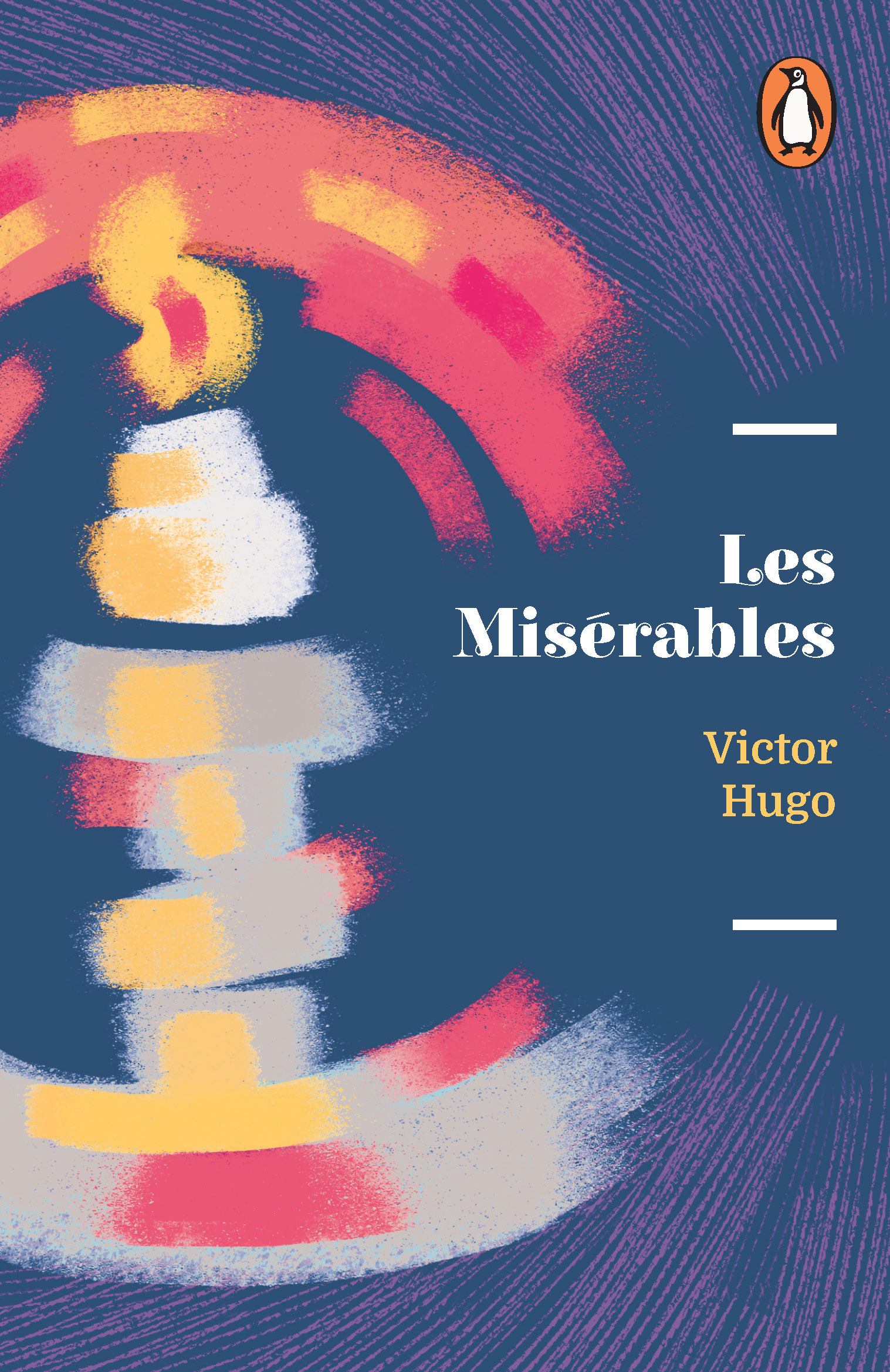
With breath-taking realism, Victor Hugo takes readers deep into the Parisian underworld and carries them to the barricades during the uprising of 1832. This dramatic tale follows the stories of the peasant Jean Valjean, Fontine the prostitute, Thenardier the rogue and the universal desire to escape the prisons of one’s own mind. Les Misérables is an extravagant spectacle that dazzles the senses even as it touches the heart.