Winter Blue is a fourteen-year-old fairy-child who leads parallel lives in two worlds-the world of humans, and another, secret, wondrous world-Magic-Land. In Magic-Land she meets magical and interesting creatures like Sherbet, a creature who tastes as sweet as honey; Snow-Nos, white creatures that turn into a real nuisance every time it starts to snow; errant Mud-Mushrooms that are relocating to a new apartment before spring; and, of course, fairies, house-fairies, dwarflings and more.
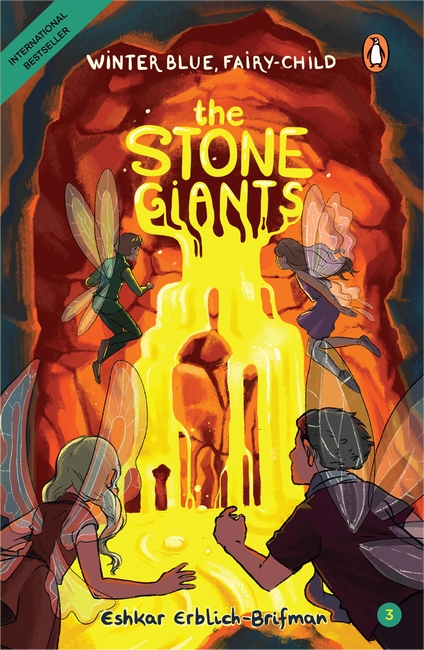
Along with her fairy-child friend Timothy, Winter embarks on a new adventure. She discovers a secret opening leading to a hidden, subterranean world situated right under the human world. It is the home of ancient creatures called the ‘Stone-Giants’. Winter and her friends befriend the stone-giants and help them in their war against a secret cult that threatens to ruin them. They sail down rivers of boiling lava, cross the Waterfall of Fools, battle with blazing lava stalactites, and use the magic dust that had been given to them the last summer.
This is the third book in the beloved Winter Blue, Fairy-Child series.

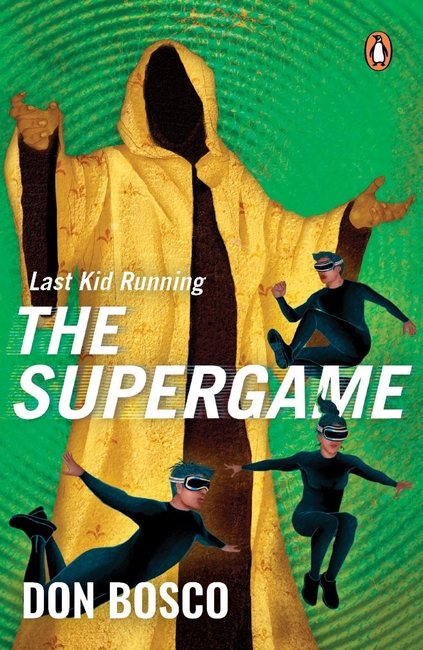
This is Book 3 of the thrilling LAST KID RUNNING gamebook series for 10 to 12 year olds. YOU decide how the story unfolds.
You are Runner X, one of six contestants in the final round of Last Kid Running, the craziest game show streaming on the mobile web.
You’ve been waiting eagerly for this. But the pandemic strikes, and the ingenious Dr Yamato creates a home-based VR version of this event instead, to keep the fans entertained.
It turns out to be a wild and futuristic adventure, with five levels full of twists, thrills and tricky challenges. Plus, you’ll need to solve the Riddlemaster’s Remarkable Riddle, which is the most baffling brain-teaser you’ve ever encountered.
Do you have what it takes to be the LAST KID RUNNING?
Read and find out!
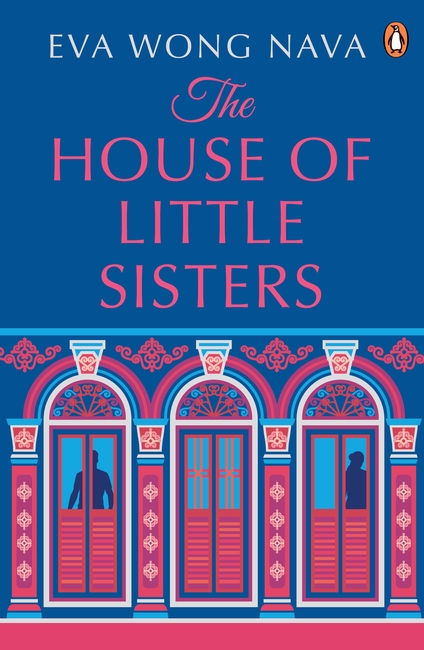
It’s August of 1931 in Singapore, sixteen-year-old Lim Mei Mei (Ah Mei) arrives at the home of Eminent Mister Lee on the eve of the Hungry Ghost Month. She has been sold to the family as a mui tsai, an indentured servant girl. At the Lee household, Lim Mei Mei’s life education begins. There she encounters the spirit of Ah Lian, a mui tsai, who paid the ultimate price for her mistake. Through Ah Lian, Ah Mei discovers the plight of mui tsai, who are both helpless and powerful, and uncovers a shameful secret lurking in the shadows in the Lee house. Ah Mei also meets and falls in love with Hassan Mohamed, an Indian-Muslim and an aspiring poet, breaking every clause in the rule book of love in 1930s British Malaya. She becomes Hassan’s Polar Star, and the young lovers must find a way to stay together. Through a twist of fate, Ah Mei finds a solution that will keep her and Hassan together, at the same time gaining agency that will secure her own future as an uneducated servant girl in British Malaya.

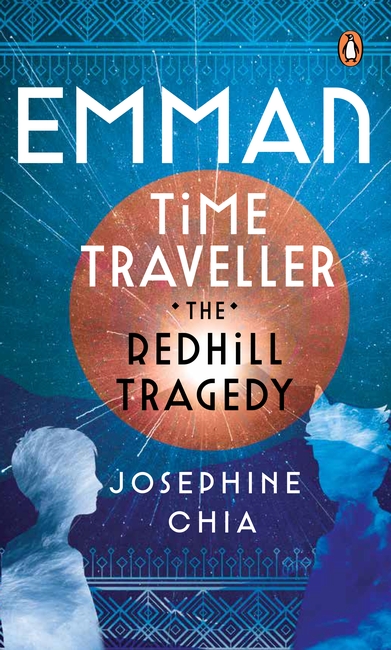
Emmanuel was in school when he received a strange visitor. It seems that no one but Emman could see the boy who was dressed in an old-fashioned Malay outfit. When Emman approached him, the boy ‘spoke’ to Emman telepathically to tell him that he was The One. When Emman asked him The One what? The boy said, The One to save him. The boy made an urgent plea to Emman to help him, then dashed away hastily. A magic portal opened up and the boy stepped through it and disappeared.
Before he left, the boy had told Emman to attend a talk called The Redhill Tragedy. Curious, Emman searched online and found the talk to be at the National Museum. He asked his Peranakan, paternal grandmother to attend with him. The talk was about a boy Nadim, who was killed in the Redhill Tragedy. Suddenly, the boy Emman saw before, appeared again, telling Emman he was Nadim. He persuaded Emman to save him.
But what could Emman do? Nadim had lived and died in the 14th century Singapura. How could he undo history? And how would he be able to get back to the 14th Century to prevent Nadim’s murder? When he posed his dilemma to his Grandmother, Grandma surprised him by telling him that she can show him a way. But first he must have the courage to accept the quest.

Eighteen-year-old Ava has saved the world 152 times – ever since she got her hands on her first console. It’s all fun and games, but after a mysterious encounter with not-a-vampire Brad, she discovers that the mythological creatures she’s only ever seen in video games are actually totally real. Brad reveals they’re alien refugees living among humans – bonus points because Ava finds the guy really, really cute.
As she’s suddenly thrust into a quest with a surfer wendigo, a friendly manananggal, a telepathic nine-tailed fox, a Sudoku-loving centaur, and a huggable Bigfoot, Ava embarks on an actual mission to fend off an alien invasion – and she soon realizes that this time, she just might need to save the world for real.
Where’s a save point when you need one?

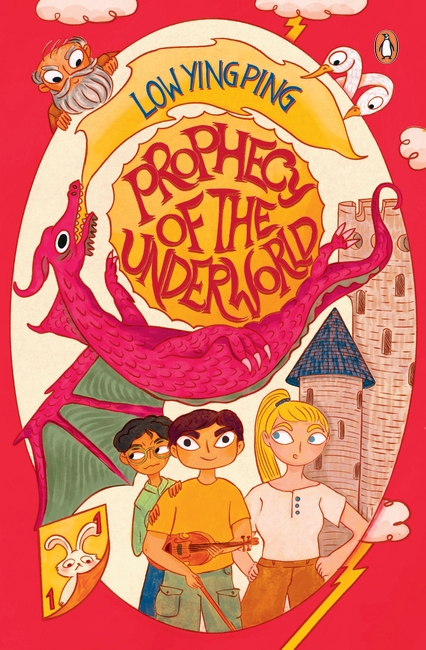
When the prophesied hero dies one day before the world needs saving, 13-year-old Julian Kee is randomly chosen as a last-minute replacement. With absolutely no world-saving skills whatsoever, he must nonetheless lead his friends into the Underworld to retrieve a magical rock that can save their world.
The problem is that the ruling council of the Underworld objects to their quest, and the rock can only be obtained by passing through a series of terrible trials, including navigating an unsolvable maze, enduring unspeakable tortures in the dungeons of the council’s citadel, and facing a really cute bunny. And is the Underworlder who cheerfully volunteers to risk her life to help them simply a girl with a very kind, selfless heart, or is she really a spy for the council?
A fast-paced adventure filled with lots of exciting twists and turns, this hilarious spoof of adventure/hero stories will be enjoyed by both the young and the not-so-young!

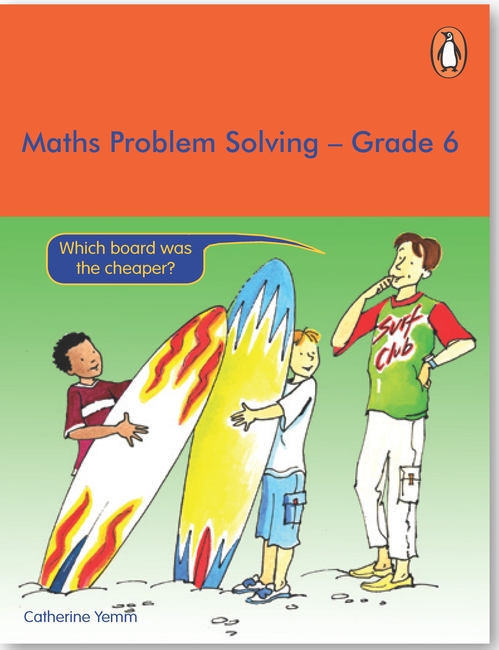
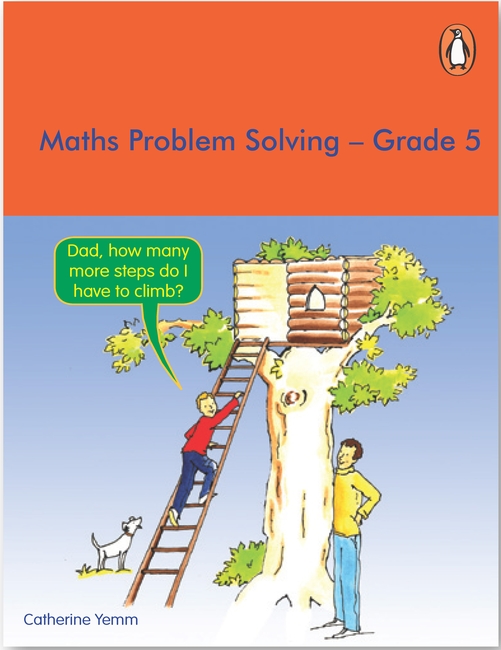
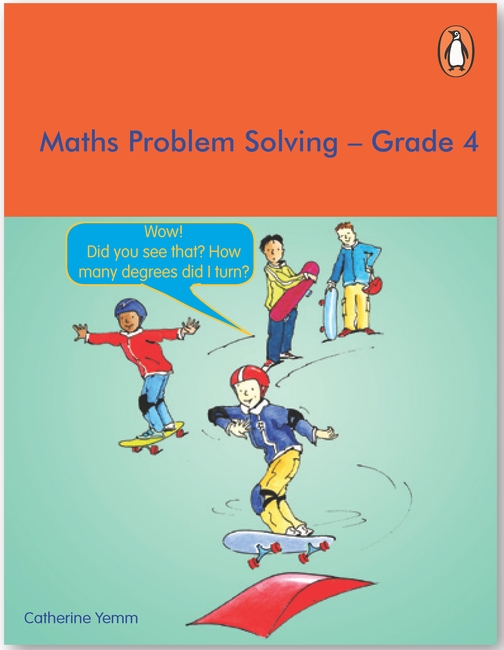
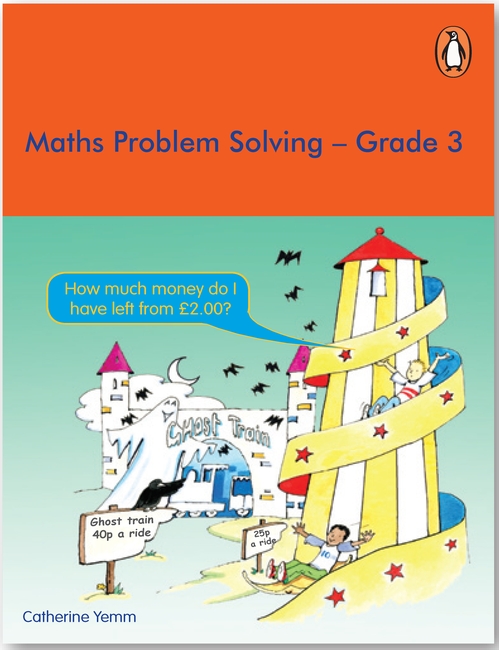
The books cover the ‘solving problem’ objectives from the numeracy framework. They are designed in such a way that each section has six stages of questions to be worked through. Every stage is split into three levels, for example 1a, 1b or 1c, based on achievement. Each corresponding question from these levels follow the same line of questioning, so that when the teacher talks about a certain question, the solution process is the same for each level but the complexity of the sum varies.

The books cover the ‘solving problem’ objectives from the numeracy framework. They are designed in such a way that each section has six stages of questions to be worked through. Every stage is split into three levels, for example 1a, 1b or 1c, based on achievement. Each corresponding question from these levels follow the same line of questioning, so that when the teacher talks about a certain question, the solution process is the same for each level but the complexity of the sum varies.

The books cover the ‘solving problem’ objectives from the numeracy framework. They are designed in such a way that each section has six stages of questions to be worked through. Every stage is split into three levels, for example 1a, 1b or 1c, based on achievement. Each corresponding question from these levels follow the same line of questioning, so that when the teacher talks about a certain question, the solution process is the same for each level but the complexity of the sum varies.
The books cover the ‘solving problem’ objectives from the numeracy framework. They are designed in such a way that each section has six stages of questions to be worked through. Every stage is split into three levels, for example 1a, 1b or 1c, based on achievement. Each corresponding question from these levels follow the same line of questioning, so that when the teacher talks about a certain question, the solution process is the same for each level but the complexity of the sum varies.