“It happens that I want you, and so I just haven’t room for any other desires.”
The most glittering orbs have the sharpest edges, and the most shinning lives the darkest truths.
Anthony Patch is a Harvard-educated, aspiring socialite. Gloria Gilbert is a beautiful but narcissistic dancer living in New York. Stunned by Gloria’s beauty, Anthony falls in love with her; and they are soon married. Gloria is a reveller who wants the fine life, and Anthony a spoilt brat who doesn’t want to work in life.
The passionate and glamorous couple await Anthony’s inheritance, till they run out of money and the joy in each other’s company. What happens as their marriage begins to fail in the face of reality? Will they be able to make the life they want or their laziness will be the crux of their falling.
Fitzgerald weaves a reminder of the follies of human ambition set against lots of glamor, jazz music, cigars and glittery gowns. This story is a grown-up fairy-tale with realities of the hustle looming nearby.
‘But people themselves alter so much, that there is something new to be observed in them for ever.’
A sensitive story about the loves and lives of the five Bennet sisters, especially Elizabeth Bennet the unusual heroine. Elizabeth is neither too pretty nor too talented but has a strong sense of self; it was fireworks when she met Mr. Darcy who finally clashed with someone as strong-willed as him.
Mrs Bennet wants to marry her daughters off and devises schemes to set them up with prosperous men at the ball hosted by the Bingley family. All her daughters find love, but not the easiest route to marriage.
Their journeys take them through unexpected betrayals and surprises. As life pits Darcy and Elizabeth against each other, Darcy is the saviour at every turn squashing every reason for Elizabeth’s hesitance. Can Elizabeth overcome her pride to seek love?
‘Let us learn to show our friendship for a man when he is alive and not after he is dead.’
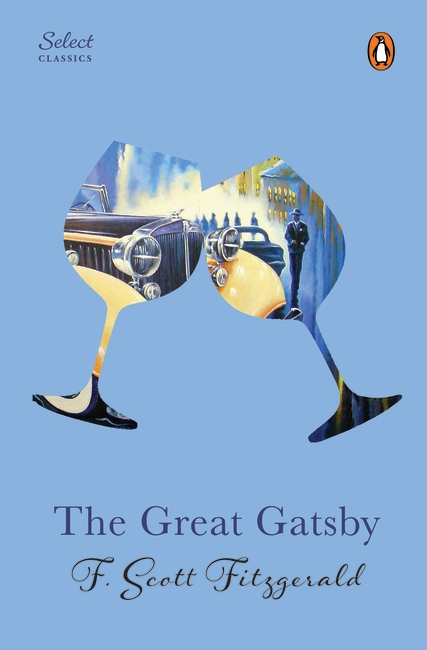
Jay Gatsby, a former army lieutenant, lives lavishly in a mansion on the Long Island shore. He appeared from nowhere, with no family history. His wealth caused envy in the old families of affluent New York, who thought they owned the American dream.
Gatsby hosted extravagant parties every weekend, yet no guest could claim they’d seen the infamous Mr. Gatsby.
He seems he has everything that’s desired, but Gatsby is lonelier than others know, longing for a conquest that is most unattainable: Daisy Buchanan, the ultimate desire for the dream life he plans.
Daisy, married to Tom but in love with Gatsby, knows she is a dream he desires, but is afraid of losing rank.
Love, wealth, and dreams are at crossheads in Gatsby’s glamourous world, will Daisy hold his hand, will he be able to save the dream?
“There is nothing I would not do for those who are really my friends. I have no notion of loving people by halves, it is not my nature.”
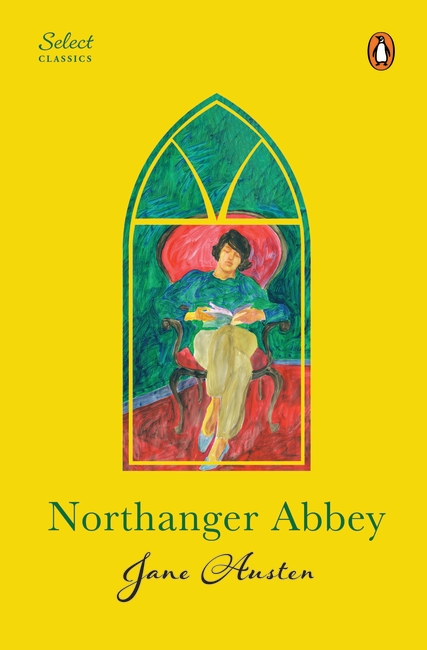
Catherine Morland is a seventeen-year-old romantic at heart, fond of reading Gothic novels. One weekend she is invited by friends to spend a season in Bath, and for the first time participates in glamorous balls unique to the nineteenth century London lifestyle.
So it happens, at one ball she meets the intriguing and wealthy Henry Tilney, her over-active imagination leads her to expect dramatic twists at every turn.
However, the truth turns out to be far more complicated and lot more mundane; and love happens to be a lot simpler than her novel obsessed young heart had imagined. Will the reality be a disappointment or sweet relief for her? Young Catherine goes through many self-induced trials to learn the simple lesson of life.
“Drama is to life what ships are to the sea. A means to traverse it. To plumb its depths, breadth, and beauty.”
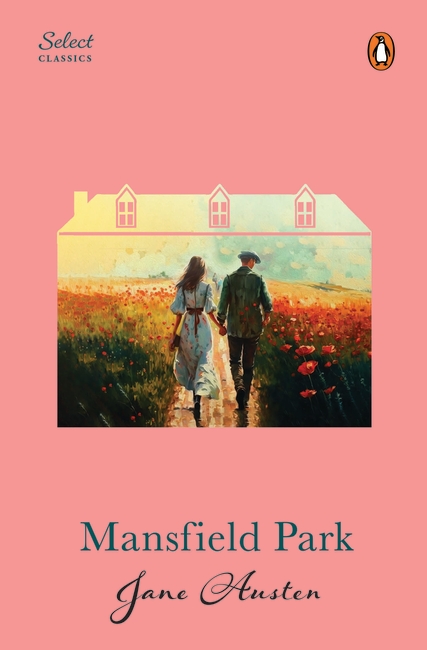
At the age of ten years old, Fanny Price was removed from her poverty stricken home to live with her rich cousins in Mansfield Park. Fanny was beautiful but not seeking beauty, quite but not weak, sensible but not proud. The residents of Mansfield couldn’t get themselves to show her the fondness she deserved. In the midst of it, she had only one ally in her cousin Edmund.
When the cousins grow older, suddenly the Crawfords family takes residence in the neighbourhood, and the sister-brother duo set off events of romantic encounters and heartbreak.
Will Fanny defend her bonds and protect the life she has built in Mansfield Park? Will she hide her love for Edmund or come forth?
Mansfield Park is touted as Austen’s most mature and sensitive novel, mostly in credit to her heroin who is both sensitive and brave.

“Nothing is so painful to the human mind as great and sudden change.”
The world of Frankenstein explores the depths of human nature and the consequences of great and sudden change.
Victor Frankenstein, a Swiss student of natural science breathes life into a creature made from stolen body parts. Initially seeking love and companionship, the monstrous creation instead incites revulsion in all who encounter it.
Plagued by loneliness and despair, the creature turns against its creator, leading to a devastating climax that claims lives.
Frankenstein serves as a cautionary tale, warning against the perils of scientific and creative ambition, the corrupting influence of unchecked progress, and the dangers of knowledge without true understanding.
“If I loved you less, I might be able to talk and show it more.”
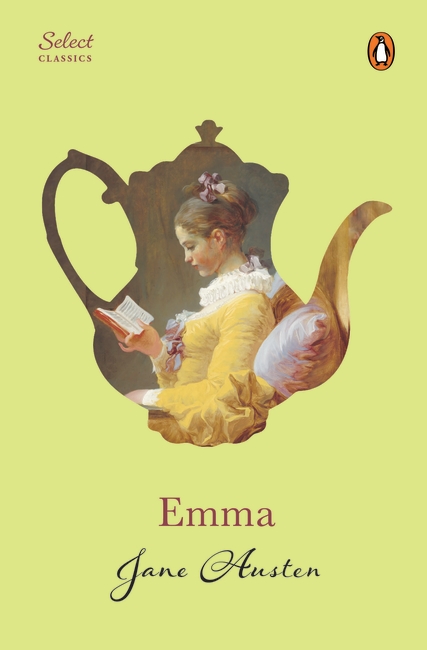
In the world of Emma, love, self-discovery, and matchmaking intertwine in a charming countryside town. Emma is Austen’s most vivid heroine : beautiful, spoilt, generous, and exceptionally witty.
While caring for her demanding father, life in the quaint town becomes tiresome. Seeking amusement, Emma immerses herself in the art of matchmaking, set to unite her orphaned friend, Harriet Smith with the eligible clergyman Mr. Elton.
However, her astute neighbor, Mr. Knightley calls her out for seeking her own interest and not her friend’s. Both Emma and Mr.Knightly are attracted to one another, primarily because only they can match each other’s wit and intelligence.
Emma’s path towards maturity and self-awareness is a poignant story. A captivating exploration of personal growth, as she navigates the consequences of her meddling.
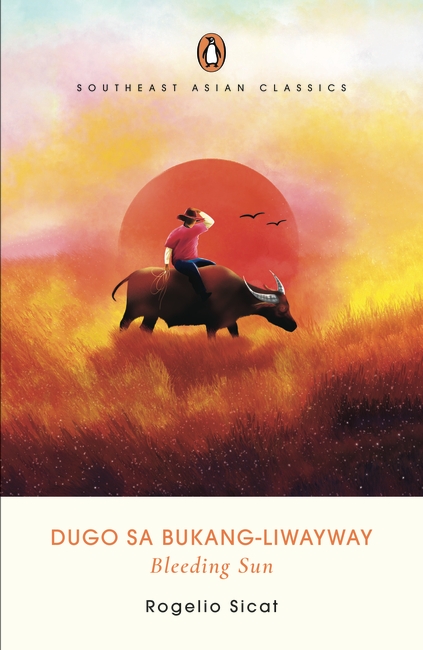
Bleeding Sun is a novel about agrarian reform but it is also the story of Simon, a farmer’s son, who is born in the poorest province. He grows up with no mother, his father dies after he graduates from high school, falls in love with a socialite, runs away from home and returns with a silent vengeance.

A history of the Malay Peninsula and the islands of the Archipelago
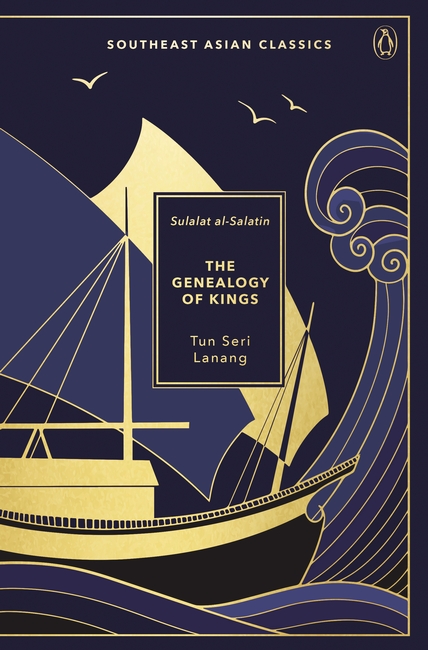
In a collector’s edition, The Genealogy of Kings (Malay: Sulalat al-Salatin or Sejarah Melayu), is a literary
work that gives a traditional interpretation of the origin, evolution and demise of the great Malay maritime empire, the Malacca Sultanate. The work which was composed sometime between the 15th and 16th centuries, is considered one of the finest literary and historical works in the Malay language.
In 2001, The Genealogy of Kings was listed on UNESCO’s Memory of the World Programme International Register. The work covers the founding of Melaka and its rise to power; its relationship with neighbouring kingdoms and distant countries; the advent of Islam and its spread in Melaka and the region as a whole; the history of the royalty in the region including battles won or lost, marriage ties and diplomatic relationships; the administrative hierarchy that ruled Melaka; the greatness of its rulers and administrators, including the
Bendahara Tun Perak and Laksamana Hang Tuah.
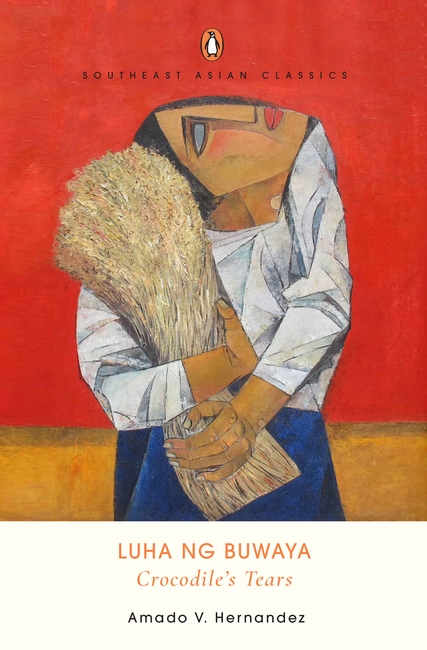
The novel is set in the town of Sampilong which is under the conjugal dictatorship of Donya Leona and Don Severo Grande. They control the wealth and power in the town and use the institutions of politics, Church and law for their own ends. The townsfolk are composed of farmers and people living in depressed areas. Bandong, a teacher, serves as their leader and adviser. He educates the people and tries to bind them together to fight the wealthy and greedy couple.
The novel has wonderful set-pieces that vividly show the gap between the rich and the poor-the feast in the house of the rich as opposed to the imprisonment of Andres, the slum-dweller; the wake and the setting up of the cooperative; the wicked ways of the people under the control of the Grande family and the corrupt politicians. The novel ends when the townsfolk discover that the Grande family does not own the land they are claiming as theirs. The townsfolk have awakened from their slumber and decide to change the unjust system. They now have a newfound faith in themselves and their capacity to change their lives and the destiny of their country.