



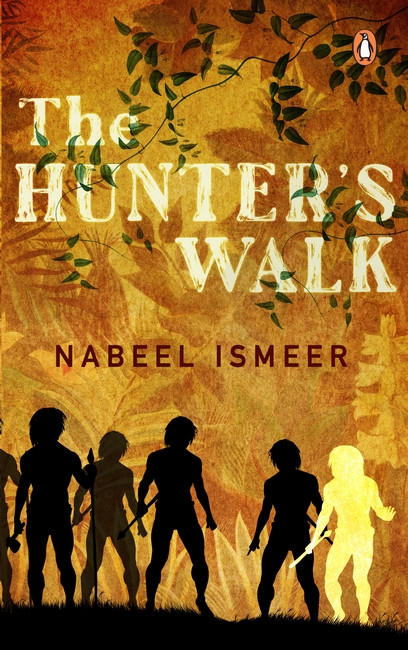
Generations of prolonged drought and hunger have allowed the harsher voices of the Zarda tribe to set edicts of discrimination against their fair skin members.
Ghar, a dark skin cave painter and Dun, his fair skin brother, push back on this discrimination to ensure that Dun and the fair skins can take part in the Hunter’s Walk, a Zardan rite of passage.
When a fair skin is caught defying the ban on hunting, the fair skins are expelled from the tribe. Ghar has trouble coming to terms with the expulsion, and eventually he himself is cast out. After a giant wolf attack leaves him close to death, he is saved by Mai, a healer from the Khamma tribe.
A new unseen kind of storm hits the Khamma. Ghar and Mai try to prepare their tribe for the new challenges the storm brings, but the same forces that mislead the Zarda now grow in the Khamma.
Can Ghar and Mai push back on tribalism and exclusion by being inclusive and willing to take on ‘foreign’ ideas? Will Ghar ever meet Dun and the fair skins again? Will they ever complete the Hunter’s Walk?
Catagory: Historical Fiction
The Blood Prince of Langkasuka
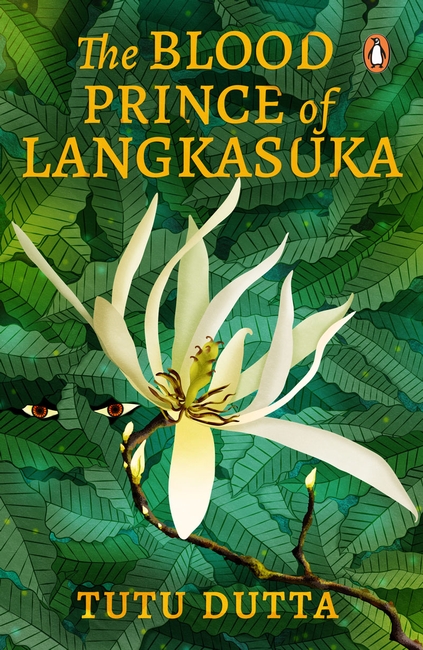
‘Meet a prince racing against the clock to solve a string of palace murders in medieval Malaysia . . .’
– Bustle magazine
The Blood Prince of Langkasuka is a reimagining of an ancient Southeast Asian vampire legend; the coming-of-age story of Raja Bersiong or the Fanged King. The monster is not always who you expect it to be-seventeen-year-old Raja Perita Deria, a carefree, self-centred young prince who descends into despair, as he turns into an angst-ridden vampire, while confronted with a chilling series of murders in the palace of Langkasuka. Will he find the strength to save himself and his kingdom?
Described by Gerakbudaya Bookshop, Penang as ‘a strongly told tale, reworking one of the earliest surviving legends of Nusantara (maritime Southeast Asia)… what follows is thwarted love, plots and deaths, the presence of the supernatural in everyday life, and a seemingly unstoppable path to doom and destruction.’
The Blood Prince of Langkasuka was picked by K.W. Colyard as one of ‘The 35 Best Vampire Books to Read Now,’ in the April 2022 issue of Bustle Magazine.
It was also picked by Emily Hughes of Nightfire Newsletter as the February pick in ‘All The Horror Books We’re Excited About in 2021’ – A vampire novel set against the political landscape of 12th Century Southeast Asia, following a prince whose chance encounter with an irresistible woman leaves him craving blood.
Bukit Brown
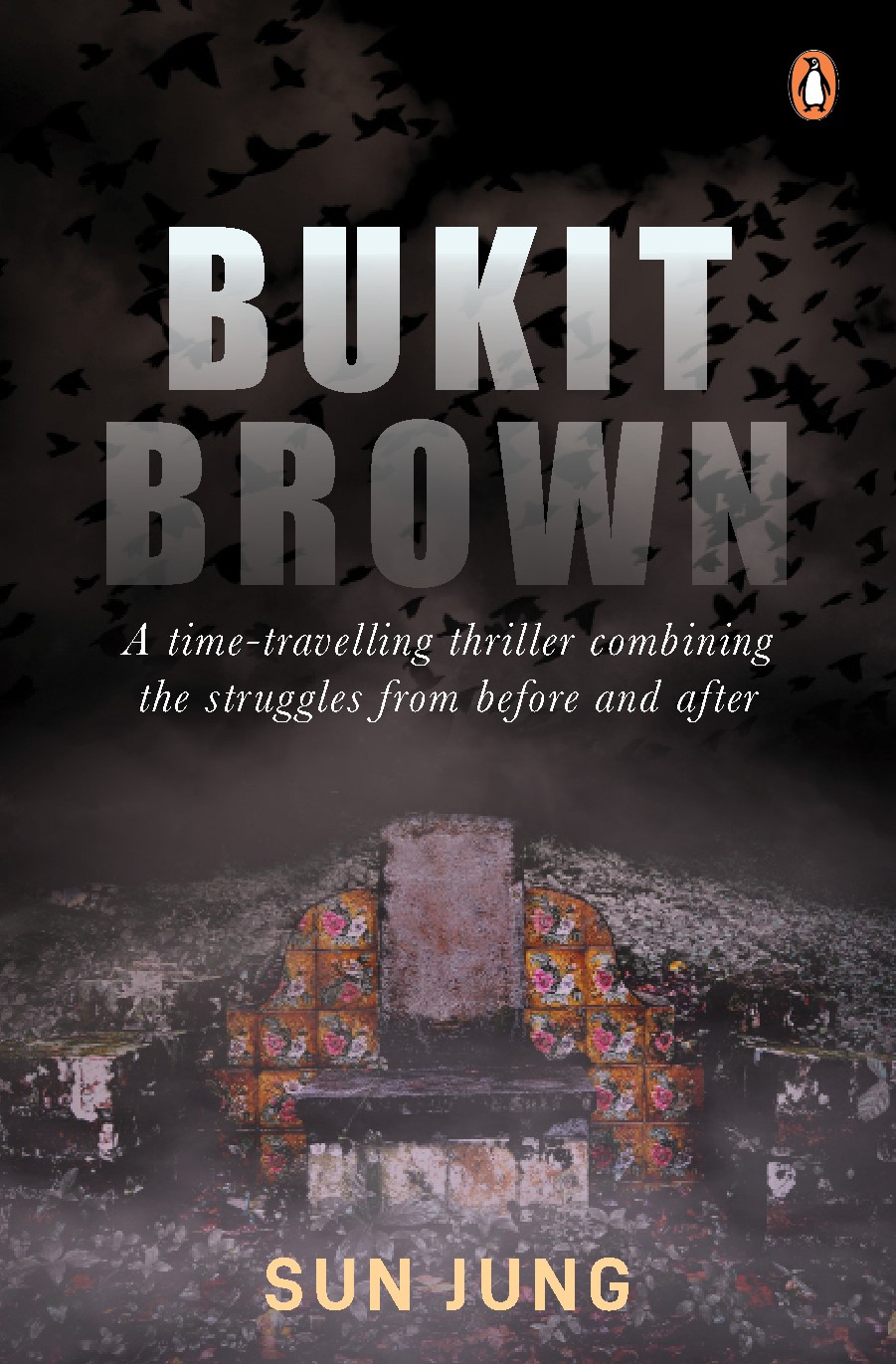
A time-travelling thriller combining the struggles from before and after.
Bukit Brown follows the gripping journey of Ji-won, lonely and lost in modern-day cosmopolitan Singapore, who time travels to nineteenth century British Malaya and finds her true self through experiencing the deplorable lives of migrant workers, the veiled enmity among Chinese secret societies and a lavish Peranakan
lifestyle.
Les Miserables
With breath-taking realism, Victor Hugo takes readers deep into the Parisian underworld and carries them to the barricades during the uprising of 1832. This dramatic tale follows the stories of the peasant Jean Valjean, Fontine the prostitute, Thenardier the rogue and the universal desire to escape the prisons of one’s own mind. Les Misérables is an extravagant spectacle that dazzles the senses even as it touches the heart.
Crying Mountain
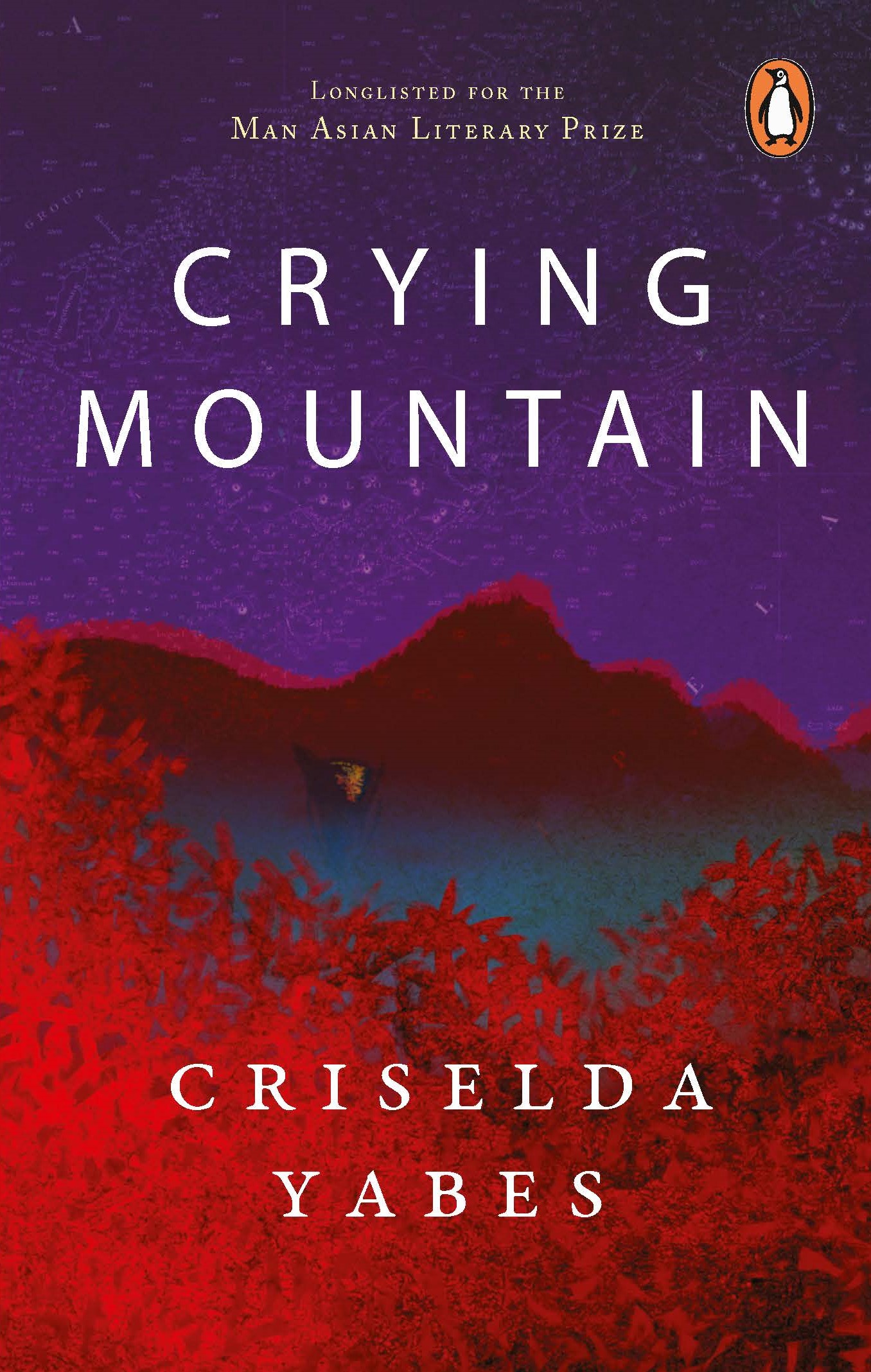
A moving tale of courage and love, set against the Zamboanga crisis in the Southern Philippines in the
1970s.
In Below the Crying Mountain, the Moro Rebellion that broke out in the Sulu archipelago in the 1970s, and that continues to wound the nation, is seen vividly through the lives of the mestiza Rosy Wright, the Tausug girl Nahla, the rebel leader Prof. Hassan, the soldier Capt. Rodolfo as well as in the quest of the book’s narrator. The personal is political as war fuels the clash of emotions, histories and cultures. The story traces the lives of Jolo residents Rosy France Wright, a half-American girl who elopes with a Muslim professor from Christian Zamboanga to Muslim Jolo, leaving behind her husband-without-ceremony, Omar Hassan, her best friend, Nahla, a Tausug girl and Jolo local, Captain Rodolfo, who becomes Nahla’s lover. The events take place against the backdrop of the escalation of communal and other tensions during the 70’s and 80’s. Through the eyes of the narrator the reader is able to follow the transformation of Jolo—from its former glory days of prestigious parties to the ushering in of a new era of more zealous religious observance.