THE SECRET OF THE RICH ISN’T A SECRET AT ALL
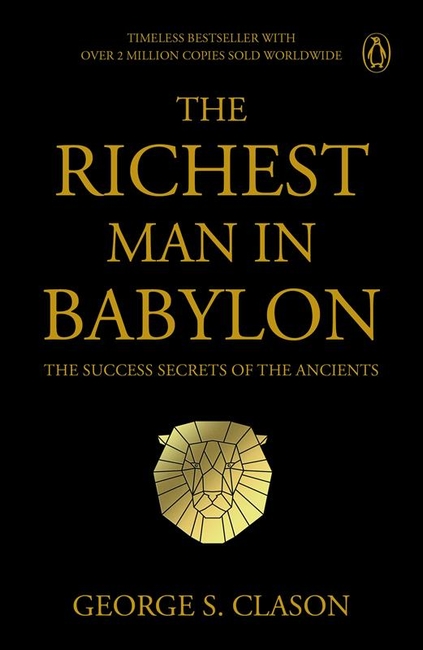
Hailed as the greatest of all inspirational works on personal finance, The Richest Man in Babylon brings together the famous ‘Babylonian parables’ that have helped countless readers amass wealth and success. This modern classic offers an understanding of, and a solution to, your personal financial problems. Narrated in simple everyday language, these fascinating and informative stories will tell you everything you need to know about thrift, financial planning, and personal wealth.
The ancient Babylonians were the first to discover the universal laws of prosperity, and now you can master them too!
- Timeless financial wisdom: Learn principles that have stood the test of time
- Achieve lasting wealth: Strategies to build and maintain wealth
- Practical advice: Easy-to-understand tips for financial success
- Historical insights: Gain knowledge from ancient Babylonian parables
- Inspiring stories: Motivational tales that encourage smart financial decisions

“It is not the strongest of the species that survives, nor the most intelligent that survives. It is the one most responsive to change.”
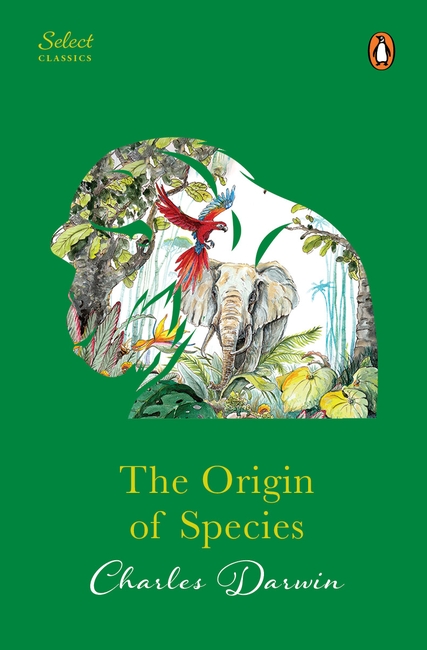
For the longest period, society believed that all beings were created at once over a short span of time. Up until Charles Darwin introduced the theory of evolution and argued that living beings as they function today have developed through the process of natural selection, challenging conventional beliefs about the origins of life.
This theory is driven by the differential survival and reproduction of individuals with advantageous traits. The offsprings which acquire stronger traits through genetics, will have a higher chance of adapting to the changing environment.
Darwin’s theory suggests that all species, including humans, share a common ancestry, providing a unifying framework for the diversity of life on Earth.
An absolutely engaging and enlightening read to understand the human body and be more in sync with how we can utilize our physical abilities to adapt to the world’s changing requirements.

“The truth is rarely pure and never simple.”
We all play certain roles in life, at work or with family, which require us to suppress how we truly feel to perform our duties.
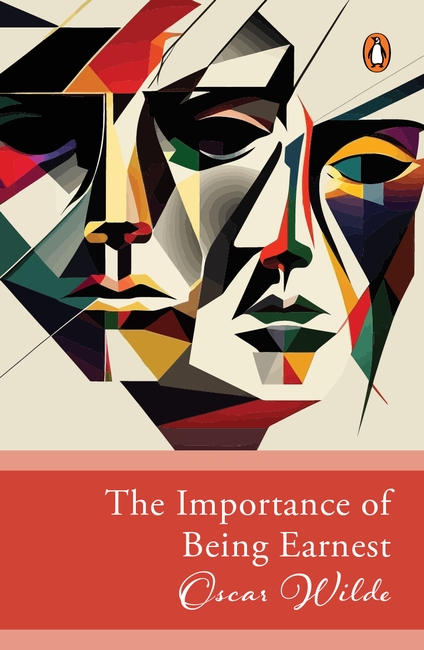
Set in London, the play revolves around the lives of two such young bachelors, Jack Worthing and Algernon Moncrieff, who decide to lead double lives to cope with the weights of their social obligations.
Jack becomes ‘Earnest’ to escape his country estate and win the heart of Gwendolen Fairfax. Algernon pretends to have a fictional invalid friend named ‘Bunbury’ to avoid family gatherings and responsibilities. Life takes a turn when their alternate identities collide, leading to humorous misunderstandings.
Through this entertaining satire, the story compels us to wonder how society rewards appearance and superficial acts over authentic living and seeking true happiness; making us question are we truly who we allow the world to see?
“You are today where your thoughts have brought you; you will be tomorrow where your thoughts take you.”
One of the earliest thinkers and observers of manifestation, James Allen was the first to identify the connection between man’s thought, actions and destiny. Allen argues that the quality of our thoughts shapes our lives, determines our success and happiness; they are the seeds from which our actions and circumstances grow.
Through the narrative James Allen explains how individuals have the power to control their thoughts, and consequently, their destinies. It is an important read to understand how to overcome negative thoughts, prevent succumbing to defeat, and how to build a strong relationship with one’s thoughts, and be the master of our own minds.
As a Man Thinketh is a clear, easy and powerful guide to self-improvement and personal development.
“The free development of each is the condition for the free development of all.”
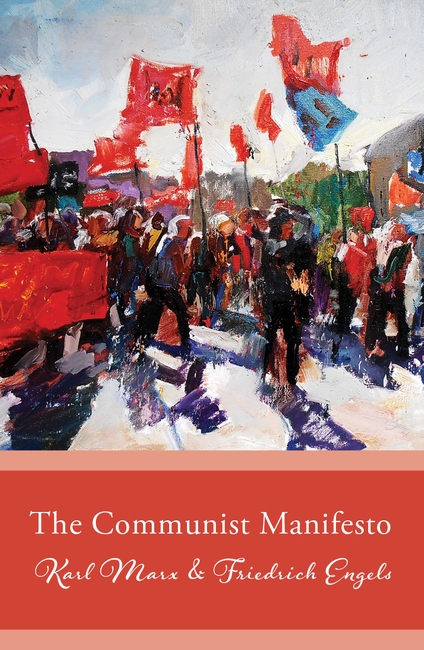
The Communist Manifesto, a philosophical document, through its engaging story-like narrative explains the rise of industrial capitalism and sheds light on the capitalistic system’s effect on society.
Arguing that throughout history, societies have been marked by class struggles, where the bourgeoisie (capitalist class) has oppressed the proletariat (working class) for the pursuit of more profits.
More importantly, it urges people to question and think about norms and administrations that are not genuinely working for everyone’s quality of life, asking citizens to live with an open and thinking mind.
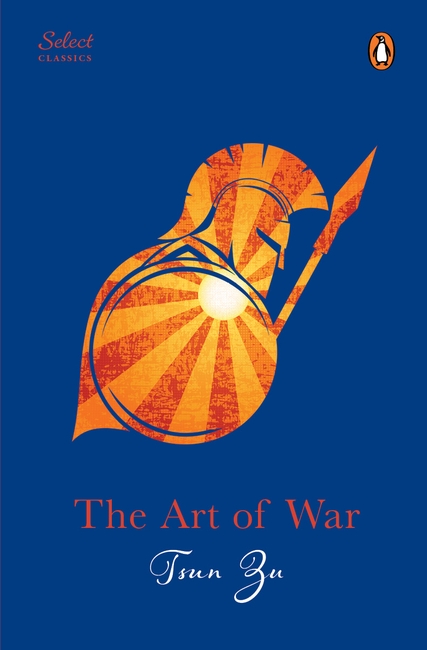
“If you know the enemy and know yourself, you need not fear the result of a hundred battles. If you know yourself but not the enemy, for every victory gained you will also suffer a defeat.”
The Art of War by Sun Tzu is an ancient Chinese treatise on strategy, tactics, and warfare. Sun Tzu is a legendary figure in Chinese history, known for his brilliant strategical mind. He emphasized the need for adaptability, flexibility and the importance of understanding one’s strengths and weaknesses to be a successful leader and navigate life’s challenges.
Sun Tzu’s teachings encourage readers to think critically about their actions, and approach challenges with an analysis of both their and their adversaries’ strength and weaknesses. His teachings place great importance on active preparation for what one wants to achieve.
It is the ultimate guide for those seeking to improve their strategy, and leadership abilities, deal with conflict; reminding us that knowledge, adaptability, and sound planning are the keys to triumph in any task.
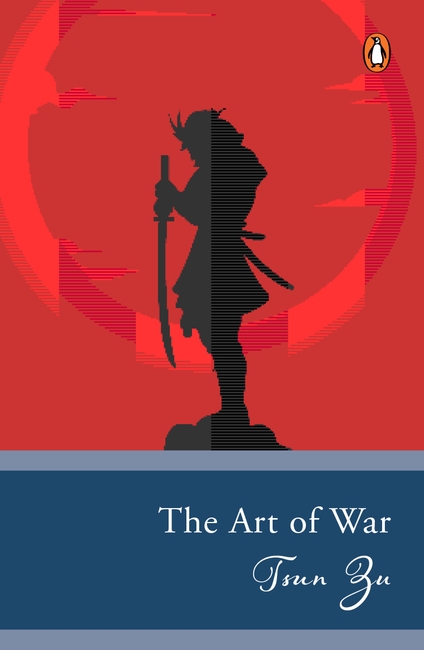
“If you know the enemy and know yourself, you need not fear the result of a hundred battles. If you know yourself but not the enemy, for every victory gained you will also suffer a defeat.”
The Art of War by Sun Tzu is an ancient Chinese treatise on strategy, tactics, and warfare. Sun Tzu is a legendary figure in Chinese history, known for his brilliant strategical mind. He emphasized the need for adaptability, flexibility and the importance of understanding one’s strengths and weaknesses to be a successful leader and navigate life’s challenges.
Sun Tzu’s teachings encourage readers to think critically about their actions, and approach challenges with an analysis of both their and their adversaries’ strength and weaknesses. His teachings place great importance on active preparation for what one wants to achieve.
It is the ultimate guide for those seeking to improve their strategy, and leadership abilities, deal with conflict; reminding us that knowledge, adaptability, and sound planning are the keys to triumph in any task.
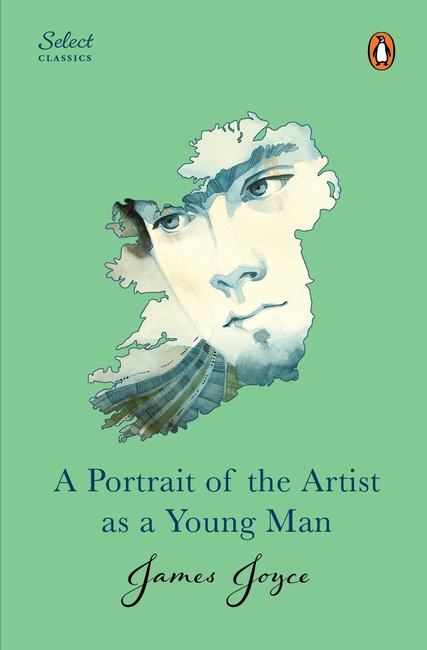
“I will not serve that in which I no longer believe, whether it calls itself my home, my fatherland, or my church: and I will try to express myself in some mode of life or art as freely as I can and as wholly as I can.”
In the 19th century, Stephen Dedalus, a young boy growing up in Dublin, Ireland, shows the grit, self-reflection and courage it takes to absorb life and turn it into art.
Stephen is a sensitive and intelligent boy, yet rebellious and independent. He struggles to break free from the constraints of his family expectations, the dominance of his religious teachings and the politics of his country. In his quest to seek reason behind his actions, he learns to break away from the norm and express his own unique perspective of the world.
Writing poetry and prose become his means of expression, as he highlights the tensions between individuality and conformity.
A Portrait of the Artist as a Young Man is a timeless and introspective work inviting readers to experience catharsis and self-realization through beautiful poems, prose and motivating conversations.
“He who climbs upon the highest mountains laughs at all tragedies, real or imaginary.”
In this philosophical masterpiece, Zarathustra a fictional sage descends from the mountains to share his wisdom with humanity. He challenges conventional thought and explores profound themes of self-overcoming, the will to power, and the nature of existence.
The character of Zarathustra serves as a mouthpiece for Nietzsche’s philosophical ideas, challenging readers to question their beliefs and embrace a more individualistic and self-directed approach to existence. His journey from solitude in the mountains to engagement with humanity symbolizes the philosopher’s quest to achieve the will to power, and the rejection of herd mentality.
Nietzsche’s emphasis on the individual’s potential for self-mastery and creative self-expression resonates throughout Zarathustra’s teachings. It’s an uplifting and motivational read which helps enhance confidence in oneself, leadership skills and focus.
“I don’t know how to be silent when my heart is speaking.”
Set in the enchanting streets of St. Petersburg, this is a story of a young man who is a dreamer, and wanders on the city’s deserted lanes during long summer nights.
On a foggy night, under the hazy streetlights, a young man met Nastenka, who captured his heart with her beauty and innocence. They spent four consecutive nights together, as he becomes increasingly besotted with Nastenka, sharing his innermost thoughts and feelings.
Just as he was beginning to feel safe in their oasis, he discovers that Nastenka is in love with another man; a prince who has promised to return to her after a long absence. Yet, he is certain that even Nastenka is drawn to him, each grappling with their own sense of longing and desire for connection.
Through this vivid narrative of the intoxicating power of hope, the young man’s monologues reveal his absolute yearning for love, while Nastenka’s vulnerability and romantic idealism add layers of emotion to the story.
Through these fragile yet sublime characters we witness the beauty and pain of unrequited love.
- A timeless tale of love, longing, and unfulfilled dreams in St. Petersburg.
- Includes Notes from Underground and A Christmas Tree and a Wedding.
- Explores themes of hope, desire, and the beauty of unrequited love.
- Premium hardbound edition, perfect for classic literature collectors.
- An ideal gift for literature enthusiasts and Dostoevsky fans.