“Of the many things hidden from the knowledge of man, nothing is more unintelligible than the human heart”
Sequal to The Illiad, the story begins ten years after the Trojan War and the Fall of Troy, when Odysseus, one of the war heroes, has still not returned to his kingdom Ithaca.
The Odyssey, which means the story of Odysseus, highlight another universal truth about life which is the desire to return home, the destructions and sacrifices of war.
When assumed dead, Odysseus’s wife Penelope and son Telemachus struggle with a group of unruly suitors who have overrun their palace wanting to marry Penelope and take over his house. But Odysseus is still alive; imprisoned on the island of Ogygia by Calypso, who is possessed by love for him and desires to make him her immortal husband.
Homer’s epic poem, larger than life emotions, and philosophical thoughts is a reminder of the bitter-sweet melancholies and the simplest desires of life.

“So long as you write what you wish to write, that is all that matters; and whether it matters for ages or only for hours, nobody can say.”
It’s the 20th century and Virginia Woolf is invited to speak to a roomful of young writers at a few colleges. She left the room and society at large perplexed with the thoughts she raised. Would Shakespeare’s sisters be given the same room to flourish if she had his skill sets? Can a women flourish if given the physical space to be by herself and ideate? Can a woman find a professional identity if not infrastructurally empowered? As a society do we allow this?
This book, although a work of fiction with a fictitious narrator and setting, is inspired by the lectures delivered by Woolf. As a revolutionary work, it remains poignant and relevant even today as we seemingly progress to an equal society but struggle with conditionings of gender roles. Despite its heavy subject, it’s an enjoyable, funny, sarcastic, and sensitive read; like a conversation with a dear friend.
“I wish you to know that you have been the last dream of my soul.”
The storming of the Bastille, the drop of the guillotine blade—this is the French Revolution that Charles Dickens vividly captures in the novel A Tale of Two Cities.
It was the era of suppressed people rising for their rights, overthrowing centuries of corrupt regime; for them the wounds and blood was sweet as it was tinged with the air of liberation.
With compassion and empathy, Dickens writes some unforgettable scenes and memorable characters: the sinister Madame Defarge, knitting her patterns of death; the gentle Lucie Manette, unswerving in her devotion to her broken father; Charles Darnay, the lover with a secret past, and Sydney Carton, whose unlikely heroism gives his life meaning.
In Dicken’s enigmatic world of treachery and heroism, explore the bravest and weakest corners of human nature, and the redemptive power of love and sacrifice.

“Nothing in the world is harder than speaking the truth and nothing easier than flattery.”
What happens when paramount self-belief leads to self-destruction. Raskolnikov’s is a student who believes he has the responsibility of using evil means to bring good to people; thereby committing murders.
As Raskolnikov is chased by a relentless investigator, his conscience starts to haunt him, tightening the grip of guilt. Amidst this turmoil, only Sonya, a marginalized sex worker, holds the key to his salvation.
Ultimately, Raskolnikov’s path leads him to a profound reckoning. Through suffering and self-realization, Raskolnikov discovers the true nature of happiness and the power of accepting and reciprocating love.
Crime and Punishment stands as a testament to Dostoevsky’s unparalleled ability to explore the depths of the human psyche, the complexities of truth, guilt, and the search for redemption.
“I loved her against reason, against promise, against peace, against hope, against happiness, against all discouragement that could be.”
Pip, a blacksmith’s apprentice goes from humble beginnings in the marshes of Kent to the bustling streets of Victorian London. A chance encounter with the escaped convict Magwitch sets off a series of events that lead Pip to the eccentric Miss Havisham and her captivating ward, Estella.
In his pursuit of becoming a gentleman to win Estella’s affection, Pip grapples with his own self-worth and the impact of his humble origins.
Pip must unravel the complexities of his own identity and in the bustling 19th century London his idealistic ambitions are threatened by dominating class difference.
Charles Dickens’ riveting and thought-provoking novel raises profound questions about human worth and the pursuit of success in a rapidly changing world.
“I’ve found that there is always some beauty left—in nature, sunshine, freedom, in yourself; these can all help you.’
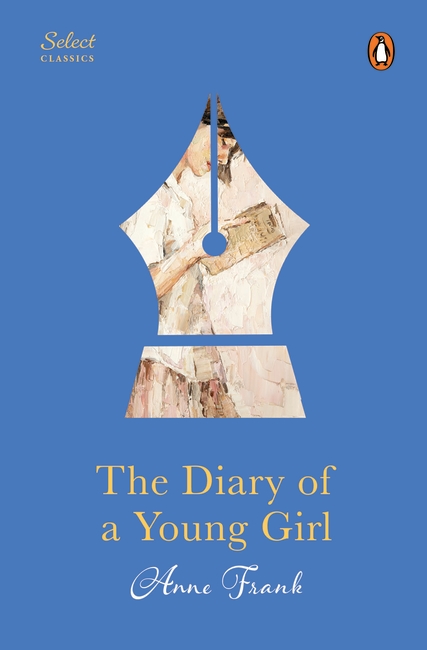
Anne begins her diary entries at the age of thirteen in June 1942, recording all her experiences until August 1944. All people have the right to freedom, but Anne wasn’t sure that idea included her. During WWII, Anne and her family were forced to go into hiding like many other Jews.
Vivid snippets of two years of living in an annexe, without seeing the sun, are journalled by Anne. From their bones dwindling to her emotional growth all is reflected in her writings. She writes of her passion for literature and art, her desire to travel, the struggles of family ties in hiding: showing her incredible emotional resilience.
How does she keep her spirits alive through imagination, hold onto the hopes of free life, when they weren’t allowed to bring attention to themselves?
- A powerful firsthand account of resilience during World War II.
- Chronicles two years of life in hiding through Anne’s eyes.
- Reflects on hope, dreams, and the struggle for freedom.
- Captures the emotional growth of a young girl in adversity.
- A timeless testament to the strength of the human spirit.

‘But people themselves alter so much, that there is something new to be observed in them for ever.’
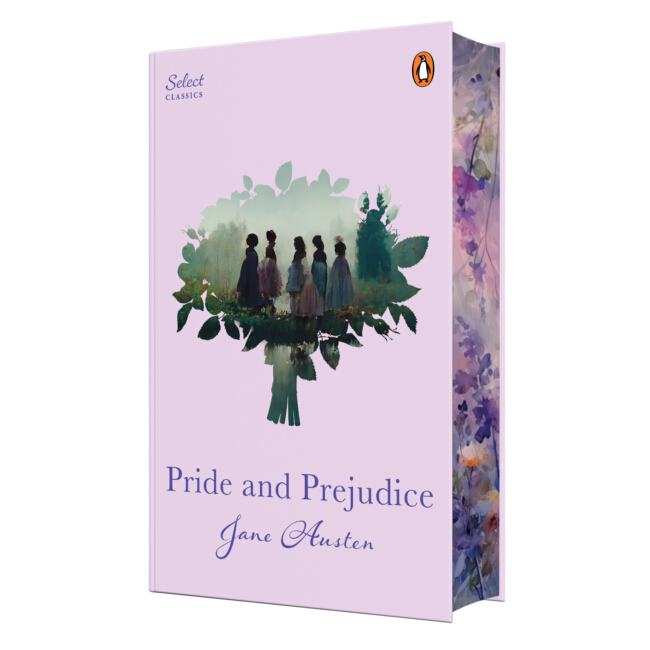
A sensitive story about the loves and lives of the five Bennet sisters, especially Elizabeth Bennet the unusual heroine. Elizabeth is neither too pretty nor too talented but has a strong sense of self; it was fireworks when she met Mr. Darcy who finally clashed with someone as strong-willed as him.
Mrs Bennet wants to marry her daughters off and devises schemes to set them up with prosperous men at the ball hosted by the Bingley family. All her daughters find love, but not the easiest route to marriage.
Their journeys take them through unexpected betrayals and surprises. As life pits Darcy and Elizabeth against each other, Darcy is the saviour at every turn squashing every reason for Elizabeth’s hesitance. Can Elizabeth overcome her pride to seek love?
‘Let us learn to show our friendship for a man when he is alive and not after he is dead.’
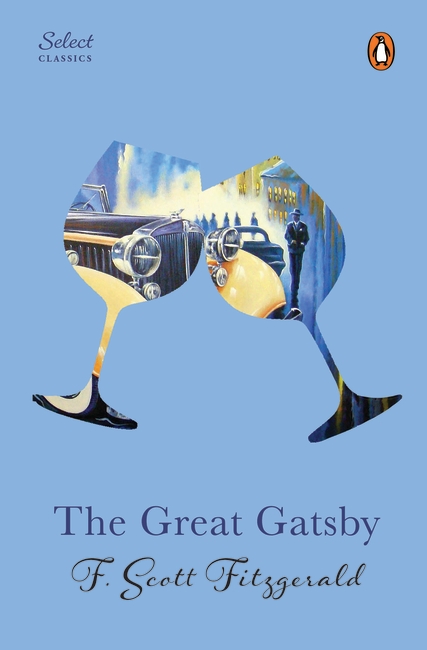
Jay Gatsby, a former army lieutenant, lives lavishly in a mansion on the Long Island shore. He appeared from nowhere, with no family history. His wealth caused envy in the old families of affluent New York, who thought they owned the American dream.
Gatsby hosted extravagant parties every weekend, yet no guest could claim they’d seen the infamous Mr. Gatsby.
He seems he has everything that’s desired, but Gatsby is lonelier than others know, longing for a conquest that is most unattainable: Daisy Buchanan, the ultimate desire for the dream life he plans.
Daisy, married to Tom but in love with Gatsby, knows she is a dream he desires, but is afraid of losing rank.
Love, wealth, and dreams are at crossheads in Gatsby’s glamourous world, will Daisy hold his hand, will he be able to save the dream?
“Drama is to life what ships are to the sea. A means to traverse it. To plumb its depths, breadth, and beauty.”
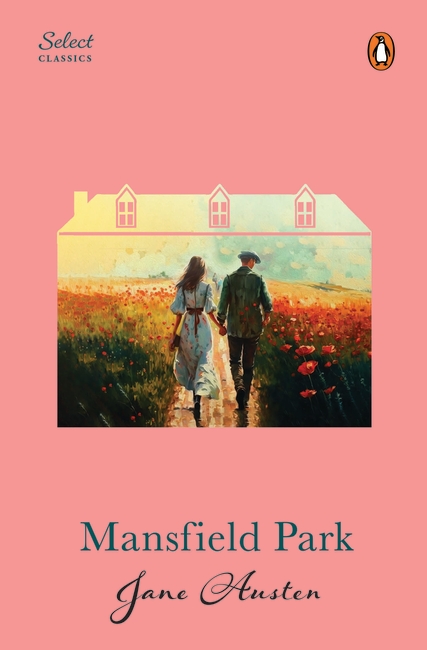
At the age of ten years old, Fanny Price was removed from her poverty stricken home to live with her rich cousins in Mansfield Park. Fanny was beautiful but not seeking beauty, quite but not weak, sensible but not proud. The residents of Mansfield couldn’t get themselves to show her the fondness she deserved. In the midst of it, she had only one ally in her cousin Edmund.
When the cousins grow older, suddenly the Crawfords family takes residence in the neighbourhood, and the sister-brother duo set off events of romantic encounters and heartbreak.
Will Fanny defend her bonds and protect the life she has built in Mansfield Park? Will she hide her love for Edmund or come forth?
Mansfield Park is touted as Austen’s most mature and sensitive novel, mostly in credit to her heroin who is both sensitive and brave.